Full text
Off-grid gas emissions in the U.S. could reach 460 million tons by 2030
US power-sector emissions could rise 42% above 2025 levels by end of the decade
Gas turbines now supply electricity to roughly 40% of American data centres
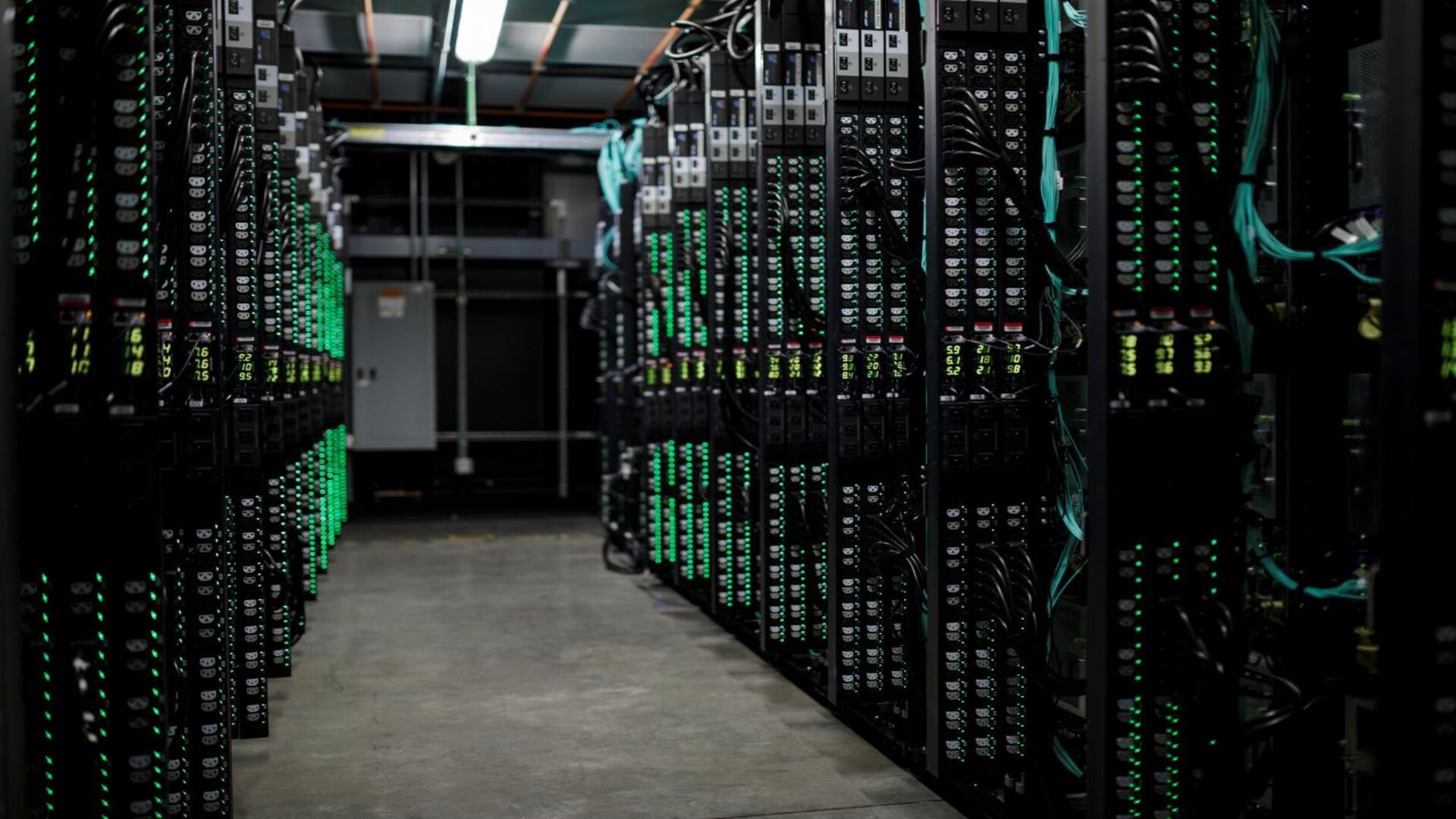
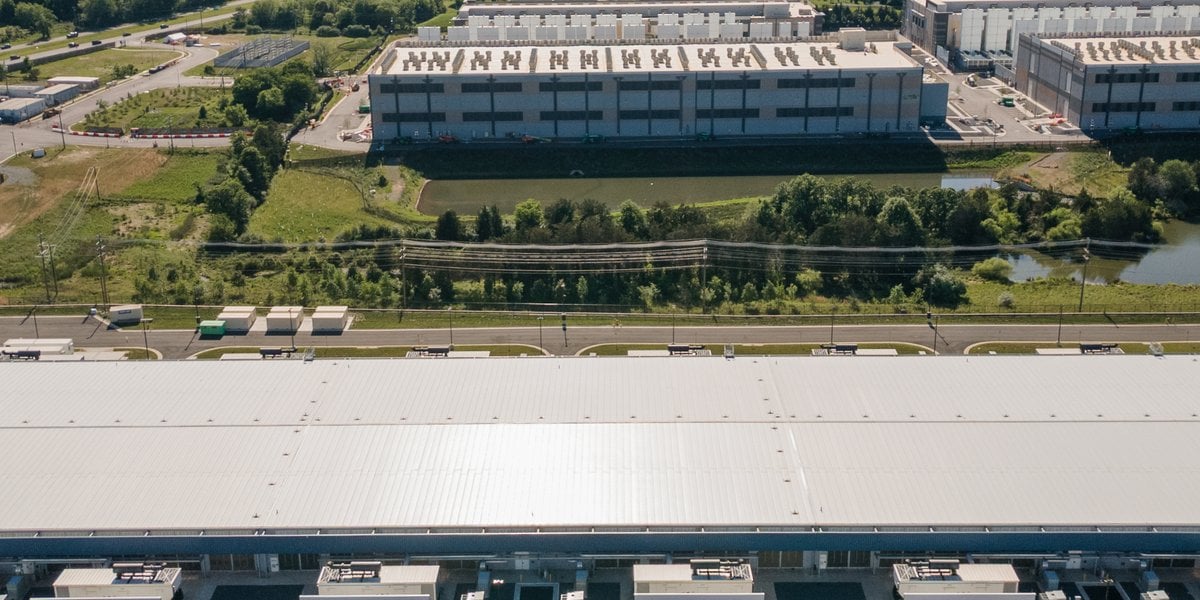
The rapid expansion of artificial intelligence infrastructure in the United States is creating new concerns about the country's ability to reduce CO 2 emissions.
A new Sierra Club assessment warns that electricity generation associated with planned data center developments could reverse years of environmental gains.
By 2030, CO 2 emissions linked to the expansion could exceed 460 million metric tons, matching Mexico's annual carbon dioxide emissions.
Data center expansion threatens emissions reduction efforts
The environmental organisation estimates that electricity demand from proposed facilities could substantially increase pollution from the American power sector before the decade ends.
Projections indicate that CO 2 emissions could reach 2.1 billion metric tons, representing a 42% increase over 2025 levels.
“The numbers continue to sort of boggle our minds,” said Jeremy Fusher, Sierra Club's principal advisor for climate and energy, expressing surprise at the scale of the latest estimates.
The organisation's earlier calculations placed the projected increase between 25% and 50% of its current estimate.
The revised assessment therefore indicates that electricity requirements associated with planned computing infrastructure could create a huge environmental cost.
Natural gas remains an important part of the electricity supply supporting American data centres.
Approximately 40% of these facilities receive electricity from gas turbines, while renewable energy additions are struggling to match rapidly increasing consumption.
Natural gas shortages complicate the transition to cleaner electricity
Competition for electricity generation equipment is creating additional difficulties for developers seeking to bring facilities online quickly.
Turbine prices have increased by 50%, while manufacturers face substantial production backlogs extending several years.
One manufacturer has reportedly opened production reservations for equipment scheduled for delivery in 2032.
These constraints could encourage developers to retain fossil fuel generation rather than wait for renewable alternatives or additional electricity infrastructure.
Equipment shortages, delayed grid connections and other infrastructure constraints could prevent numerous developments from becoming operational.
Across the United States, applications for construction permits reportedly exceed the electricity transmission capacity available in several locations.
Some projects also face opposition from communities concerned about electricity consumption, environmental consequences and the costs associated with infrastructure expansion.
Financial uncertainty within the artificial intelligence industry introduces another complication for developers planning large computing facilities.
Hyperscalers facing questions about the commercial returns from their investments could postpone or abandon projects before construction reaches completion.
Government regulations requiring renewable electricity for new facilities may provide some protection against additional emissions.
However, existing requirements frequently include implementation periods and generally do not apply retrospectively to operating installations.
Ireland, for example, requires new data centres to obtain 80% of their electricity from renewable sources within six years of beginning operations.
Such delays mean fossil fuel generation could remain part of the electricity supply during substantial periods of infrastructure expansion.
Due to these uncertainties, the eventual impact of data centre expansion on greenhouse gas emissions remains difficult to predict.
Via Tom's Hardware


Comments
No comments yet — be the first to weigh in 👇
No comments yet. Be the first!