🔬
🔬 Science
Single-celled alga helped win the Nobel Prize in Medicine
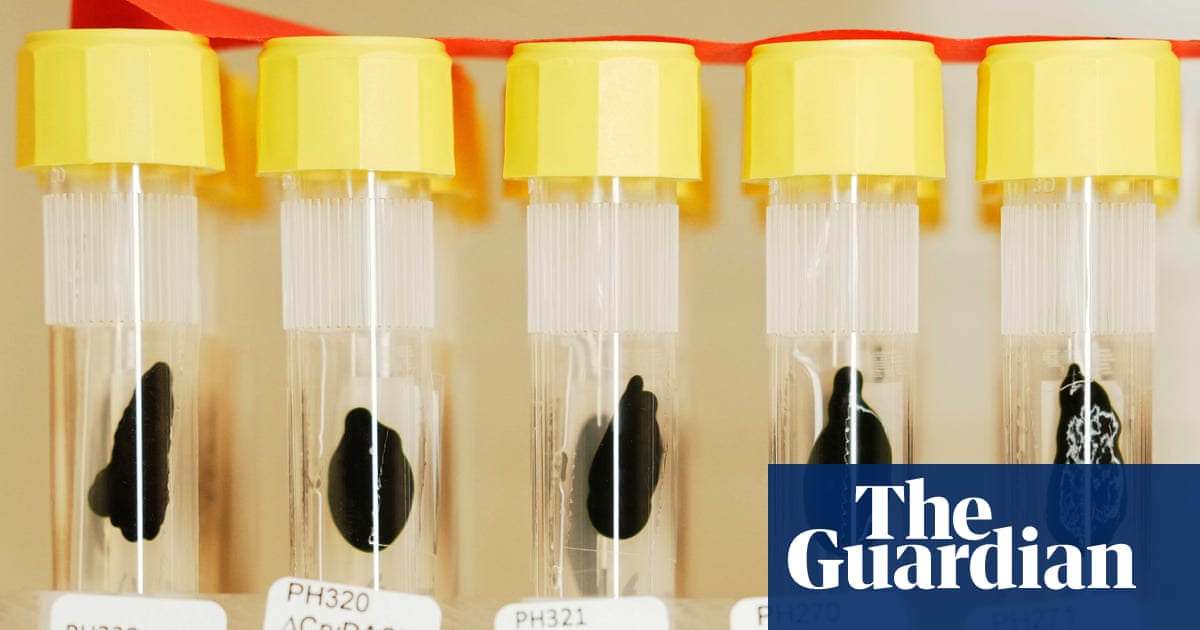
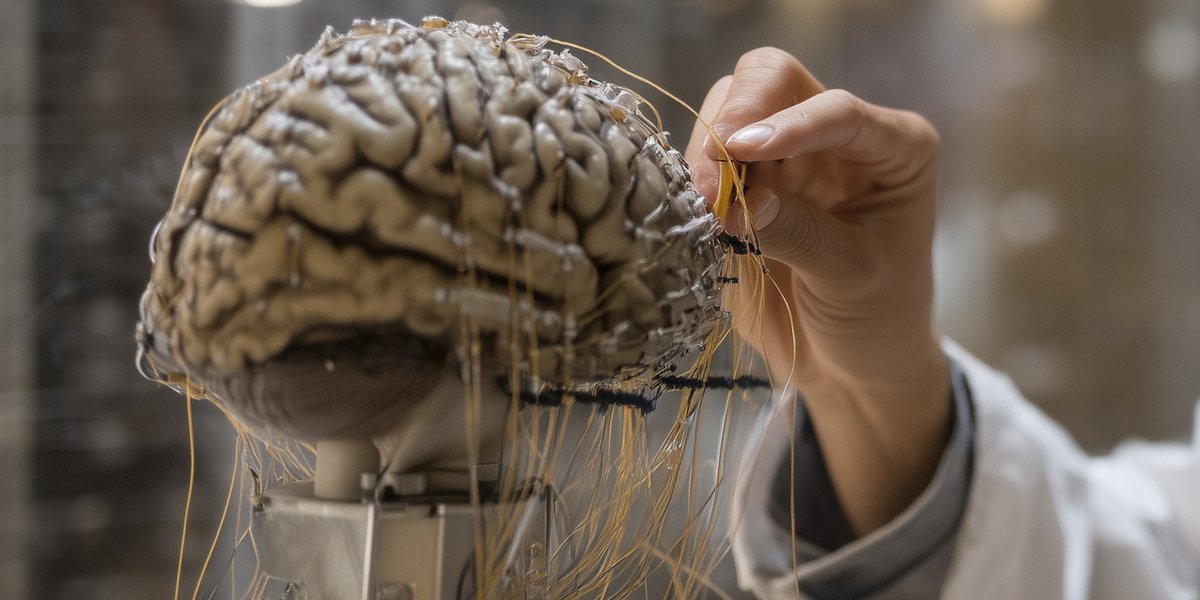
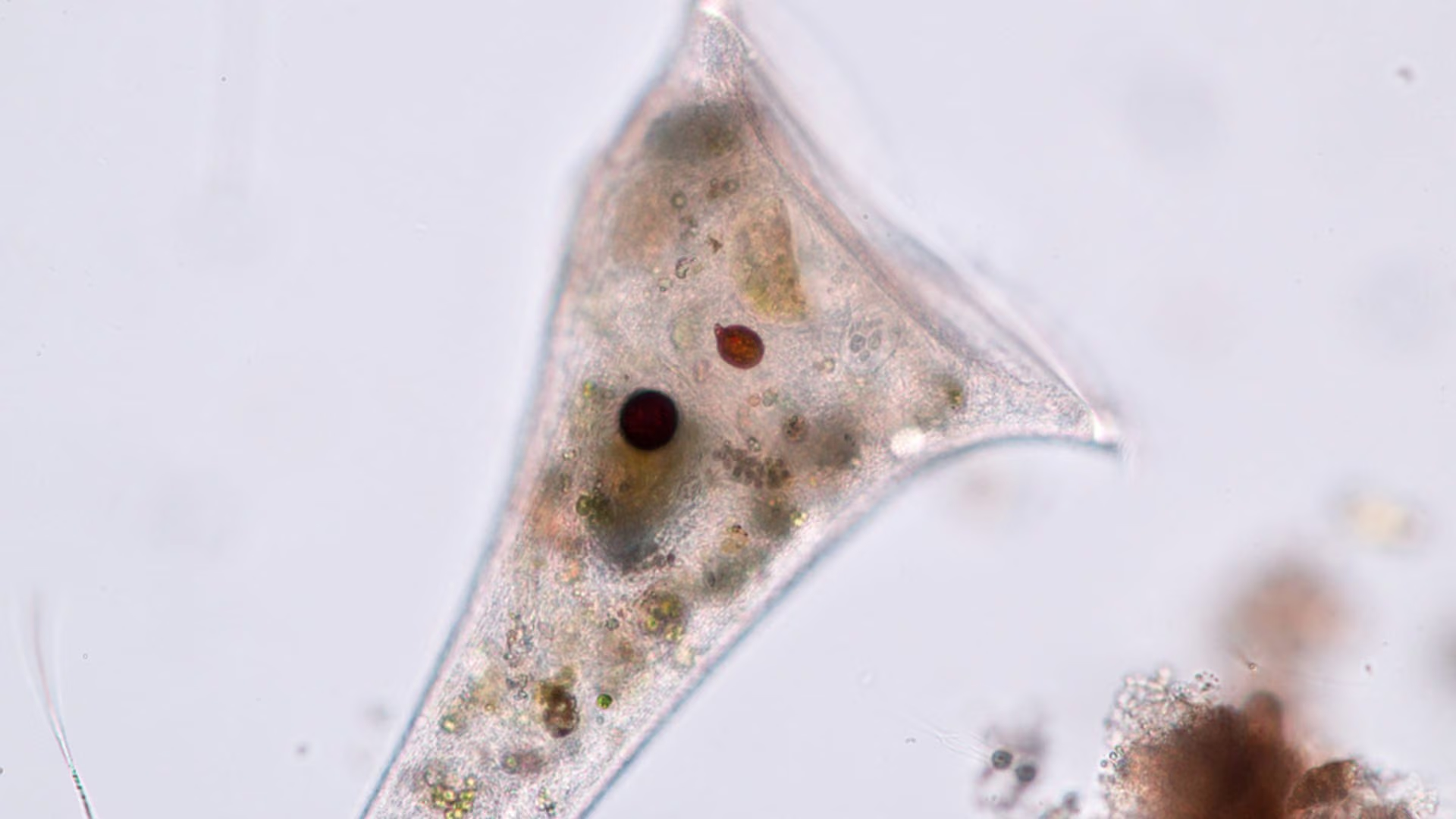
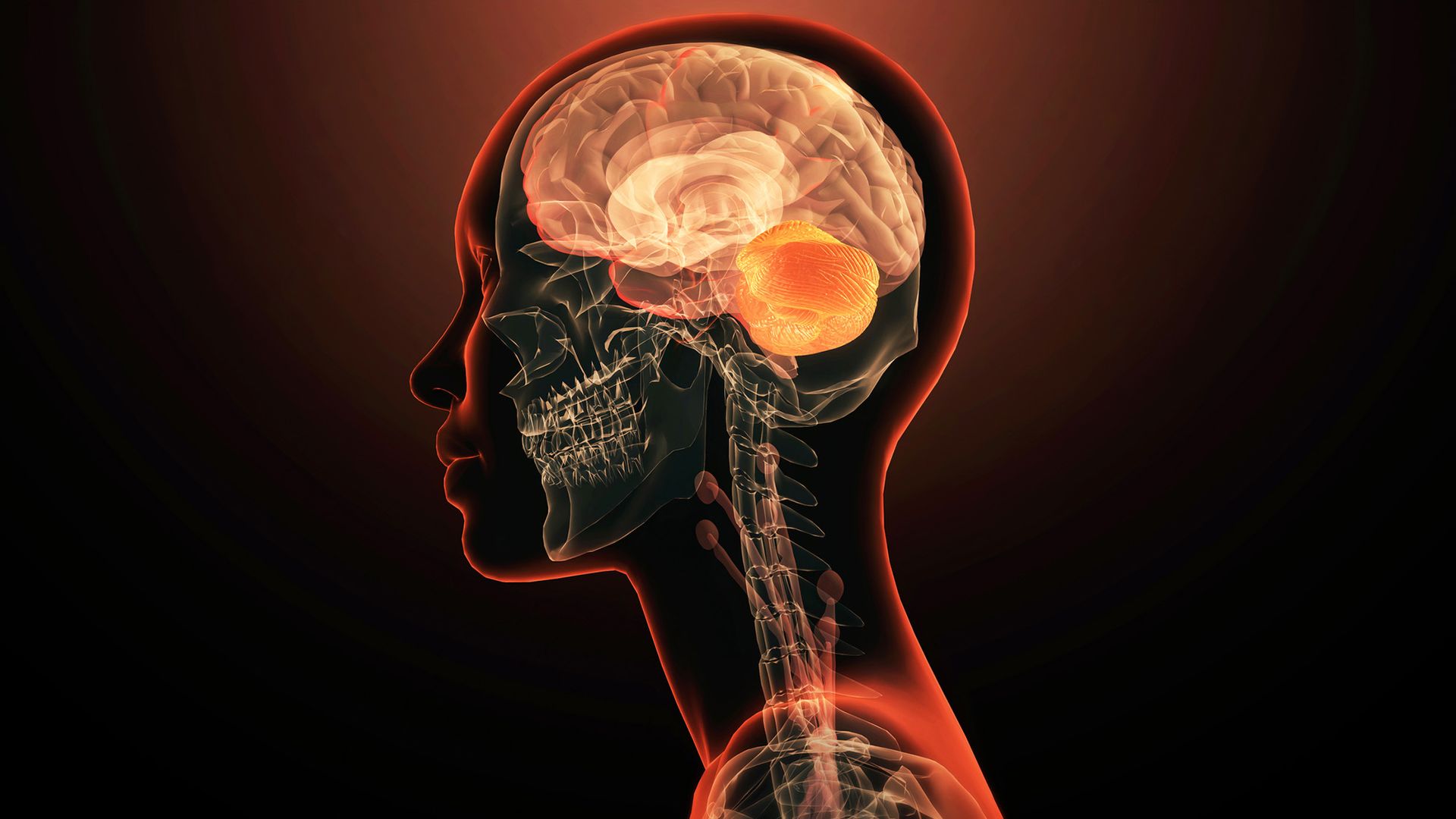
The alga Chlamydomonas and its light-sensitive protein — channelrhodopsin — were used in research on memory, emotions and brain behaviour, honoured with this year's Nobel Prize in Physiology or Medicine. This protein, remarkably similar to rhodopsin in the human eye, opens ion channels when detecting light, triggering a rapid electrical signal in the cell. The discovery became the foundation of optogenetics — a field enabling control of neurons using light.
Comments
No comments yet
Comments
No comments yet — be the first to weigh in 👇
No comments yet. Be the first!