Full text
UK movie theatres considering smart glasses ban
The ban would be over privacy and piracy concerns
It's yet another instance of private bans restricting the tech
Privacy concerns have rocked Meta’s smart glasses business. They’re being ridiculed online as ‘perv glasses,’ and their use is banned in a growing number of spaces. In the UK, this could also soon include cinemas , though it’s for a very different p-word: piracy.
The main concern with camera glasses, like the ones Meta produces with its partners Ray-Ban and Oakley, is that people can record in a fairly secretive way. This is an issue for the general public as they don’t know when or if they’re being recorded, and for venues like cinemas and theatres as it allows movies and live shows to be subtly recorded by the audience.
With a stable enough internet connection, the viewing could even be live-streamed.
The ban hasn’t taken effect yet, but its consideration is another blow for smart glasses makers and users, who are finding it increasingly difficult to wear their specs because of their spy-camera capabilities.
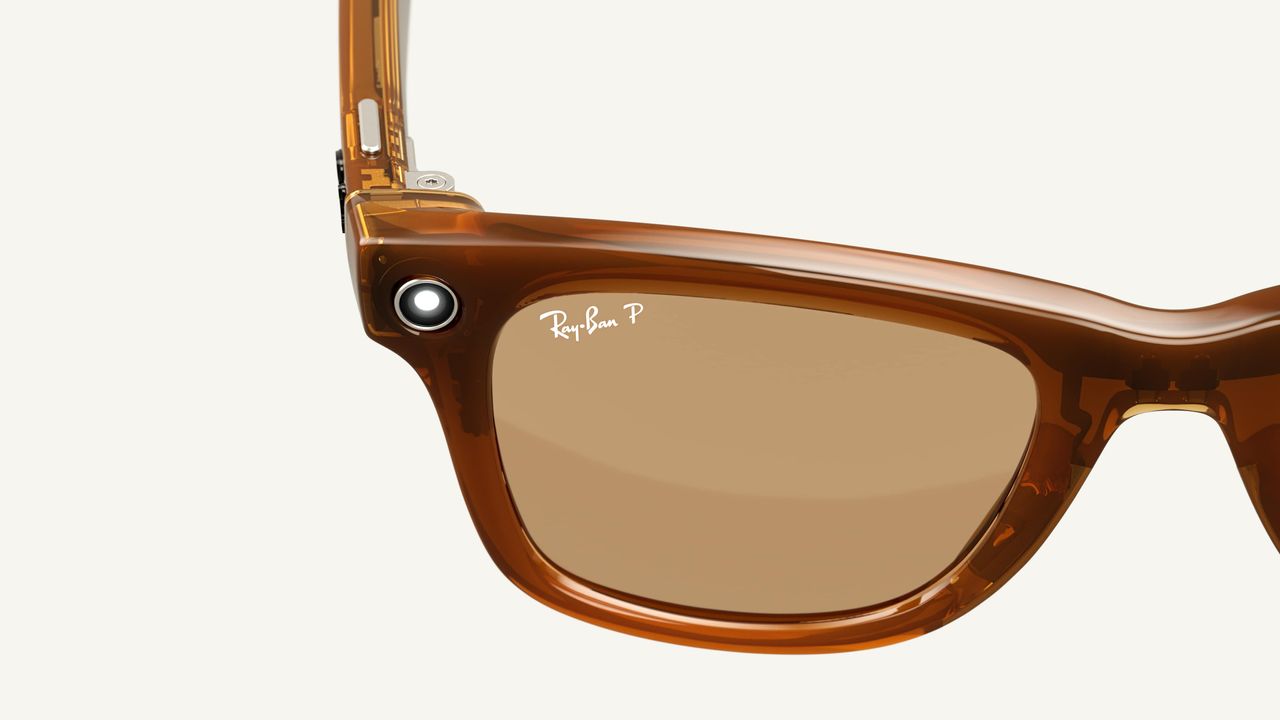
(Image credit: Meta) Meta would argue that recording isn’t covert. There is a light that comes on and stays on while you record. Plus, Meta has taken numerous steps to disable recording capabilities if this light is tampered with — either via a simple cover or by fiddling with the hardware.
However, critics have argued the light is easy to miss if you don’t know to look for it, especially if you're outdoors during the day or in a bright place.
In a dark theatre or cinema, the recording light would arguably be a lot more noticeable, though the proposed ban would reduce the risk that bad actors sneak through — while also addressing privacy concerns the glasses raise for other patrons, and banning glasses that allow more covert filming.
Because while Meta is the most well-known smart glasses maker, and so is taking the heaviest share of the backlash, it isn’t the only player in town. Some glasses manufacturers aren't as strict about tackling modders who disable their recording indicator, while others make the indicator even less noticeable or don’t ship with one installed.
(Image credit: Future / Hamish Hector) Going, going, gone?
Governments have also been considering action against smart glasses; however, we have yet to see much in the way of widespread bans. At this rate, we might not need to.
The court of public opinion has issued an overwhelmingly negative verdict on smart glasses. The privacy concerns for people wearing the glasses, and for passersby caught in their gaze who never consented to having their life captured by smart specs,
Even previous champions of the technology I’ve spoken with — journalists like myself who have used and tested, and loved these glasses — have stopped wearing them outside of our reviews. I’ve written before how I’m genuinely fearful I’ll get accosted in the street if I’m caught wearing these glasses.
Besides the threat of retaliation, the steady banning of these glasses across various venues makes them increasingly useless. That’s doubly true for folks who need prescription glasses — smart glasses bans often say that the glasses having prescription lenses is no excuse, meaning you could spend $500 / £500 / AU$750 plus on a pair of glasses you can’t wear anywhere.
(Image credit: Meta) Is this the end of smart glasses then? A serious perception overhaul could help, though it’s unclear how that would be achieved without such major software changes or hardware alterations, such as removing the camera altogether — though, from experience, cameraless smart specs don’t impress me. It’s too useful a feature to lose out on.
To that end, it’s a lose-lose, and that’s a shame for a category I think is quite fun and cool when people aren’t being creeps with them. They’re also proving a handy tool for people with visual impairments as the glasses can see and describe the world for them.
We’ll have to wait and see what happens, but I expect it’ll continue to be a rocky road ahead for smart glasses.


Comments
No comments yet — be the first to weigh in 👇
No comments yet. Be the first!