Full text
NASA is calling off the effort to save its Neil Gehrels Swift Observatory after a private rescue spacecraft couldn't overcome its own problems in orbit.
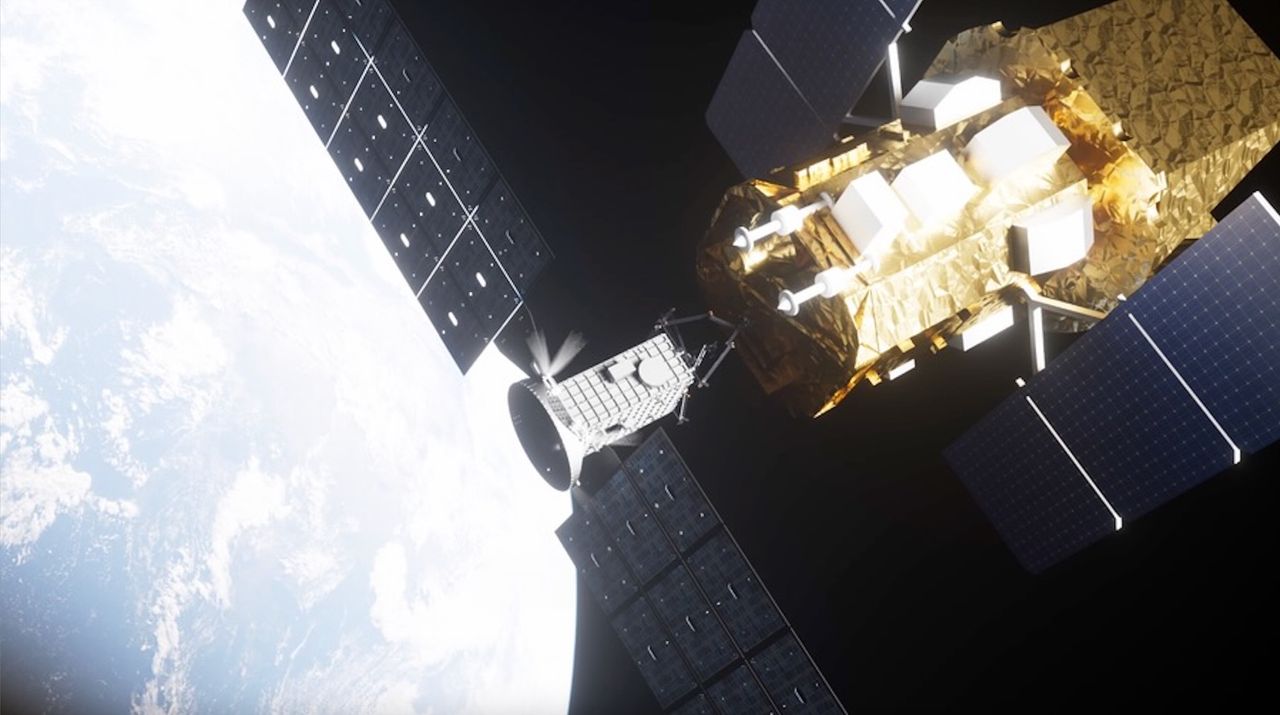
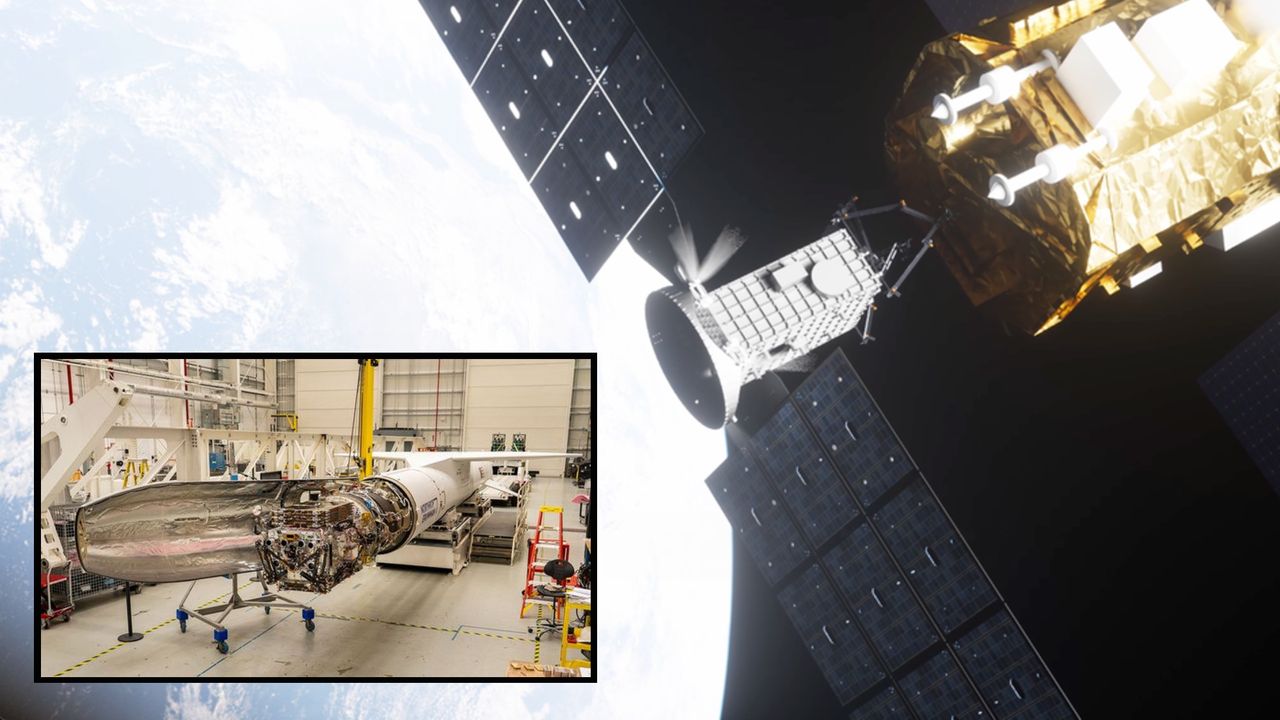
LINK, the specialized probe from Katalyst Space that NASA contracted for the Swift Boost mission , was delivered to space on an air-launched Northrop Grumman Pegasus XL rocket on July 3. The vehicle was designed to rendezvous with the Swift Observatory in order to grapple and raise it to a more stable orbit, but LINK ran into trouble when it began to spin uncontrollably about three weeks after launch.
Today (Aug. 19), NASA announced an official end to LINK's efforts to boost Swift's orbit, citing ongoing attitude control issues with the private spacecraft, but the agency hasn't canceled the mission outright. LINK will still attempt a rendezvous with Swift in order to practice proximity operations and demonstrate its capabilities other than spacecraft capture, which could aid future missions down the road.
From its inception, the Swift Boost mission was always viewed as a long shot. Increased solar activity had already begun decaying the observatory's orbit faster than anticipated when NASA awarded the $30 million Swift Boost contract to Katalyst in 2025 , giving the Arizona-based company less than a year to complete LINK's design, manufacture and testing before time to save Swift would run out.
"NASA should be willing to move quickly and take smart risks when the potential return is worth it, and that is exactly what we did with this mission," NASA Administrator Jared Isaacman said in a statement today . "This is not the outcome we were working toward, but it does not change why this mission was worth attempting. The team moved with extraordinary speed to give Swift a chance to carry out more science while advancing capabilities America will need for satellite servicing in the future."
Swift is a one-of-its kind orbital observatory designed to study high-energy phenomena across the universe . It can detect sudden events like gamma-ray bursts and quickly direct its instruments to study them in X-ray, ultraviolet and visible light. The spacecraft is also routinely redirected for rapid response research to study things like newly discovered supernovae, black-hole ejections, fast radio bursts and other short-lived astronomical events.
With LINK now incapable of boosting Swift's orbit, NASA estimates the observatory will dip catastrophically low into Earth's atmosphere before the end of the year. After Swift dies, the agency says it will "continue to prioritize finding new options to react rapidly to cosmic events, using current missions to help fill the gap in the meantime."
Katalyst is working closely with NASA as the Swift Boost mission enters its next phase. Together, the company and space agency are evaluating logistics for LINK's rendezvous and maneuvering demonstration within Swift's vicinity, which will provide data for potential future servicing missions to other satellites, NASA's statement says.
Comments
No comments yet — be the first to weigh in 👇
No comments yet. Be the first!