🔬

🔬 Science
Toxic algae blooms threaten Baltic Sea as eutrophication covers 94% of its surface
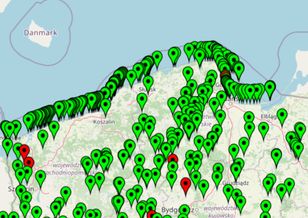
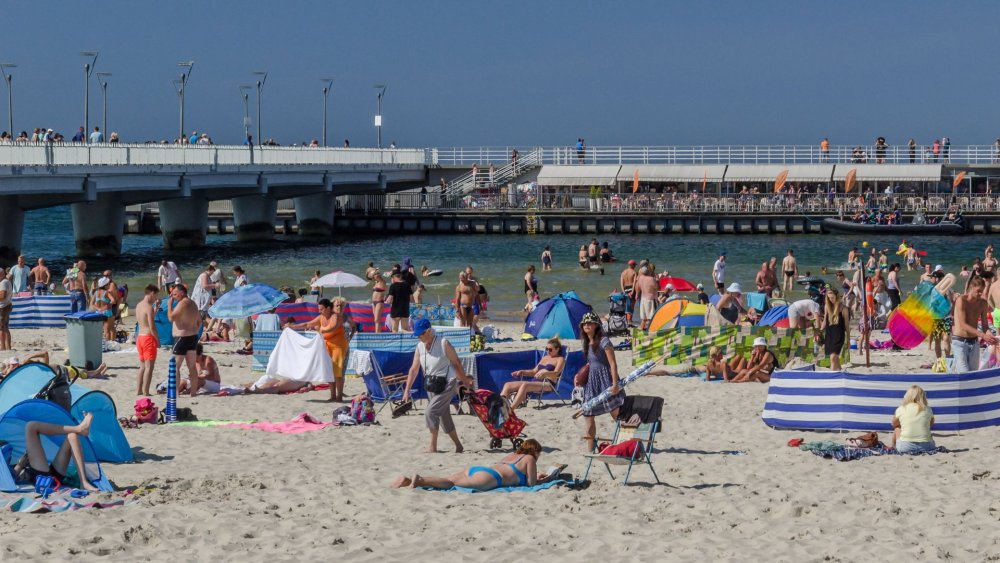
Eutrophication — the over-enrichment of water with nitrogen and phosphorus, largely from agricultural runoff — now affects 94% of the Baltic Sea's surface. It fuels mass blooms of cyanobacteria (blue-green algae) that cause toxic, murky water posing health risks to swimmers, including rashes, skin irritation and eye inflammation. As the algae die and sink, their decomposition strips the water of oxygen, creating dead zones on the seabed.
Comments
No comments yet


Comments
No comments yet — be the first to weigh in 👇
No comments yet. Be the first!