Full text
The former pilot now allows permanent ALPR placement in state rights-of-way.
Data can be kept for 90 days, with narrow avenues for longer preservation.
Local policies, not one statewide code, will govern much of the program.
Politicians in North Carolina aren’t installing AI-powered cameras on every single road in the state, but what they just greenlit allows for exactly that. After deeming a pilot program with ALPR cameras a success, the state just made it legal to install them along virtually any state-maintained road or highway. The timing and widespread use are especially interesting as criticism of surveillance technology grows.
var adpushup = window.adpushup = window.adpushup || {que:[]};
adpushup.que.push(function() {
if (adpushup.config.platform !== "DESKTOP"){
adpushup.triggerAd("0f7e3106-c4d6-4db4-8135-c508879a76f8");
} else {
adpushup.triggerAd("82503191-e1d1-435a-874f-9c78a2a54a2f");
}
});
A provision tucked into the state’s new budget allows the Department of Transportation to make its land and rights-of-way available for fixed Automated License Plate Readers, or ALPRs. Since North Carolina maintains roughly four out of every five road miles in the state, that’s a very large canvas. The law also allows the State Bureau of Investigation to act on behalf of federal, state, and local law enforcement agencies. In other words, the old pilot is now a permanent invitation.
Read: EMT Fired For Disabling Ambulance Cameras She Says Secretly Recorded Patients, Sues
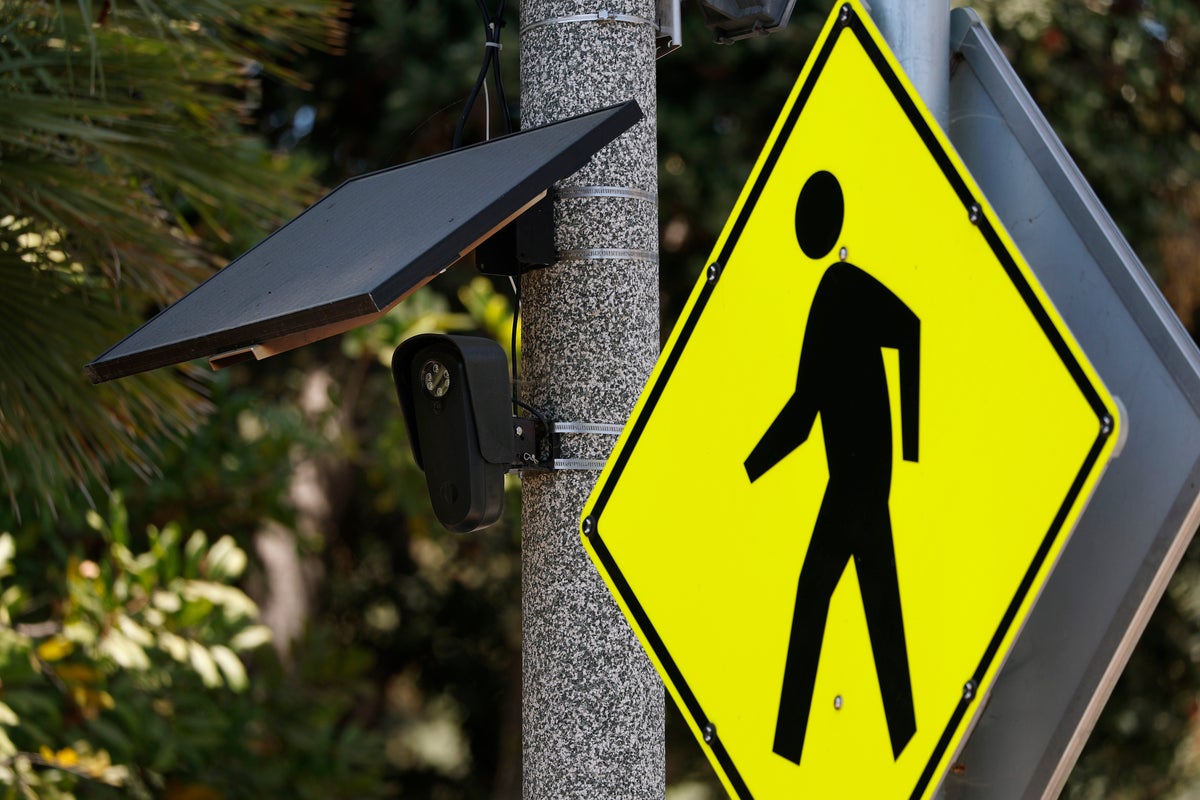
That distinction matters. This is not a speed-camera program , and state law specifically says ALPR data can’t be used to enforce traffic violations. Instead, the cameras capture every passing plate, then record details such as the time, location, and sometimes the vehicle’s make, model, and color. Officers can search that data when investigating crimes, tracking stolen vehicles, or locating missing people.
var adpushup = window.adpushup = window.adpushup || {que:[]};
adpushup.que.push(function() {
if (adpushup.config.platform === "DESKTOP"){
adpushup.triggerAd("ea4d4b5a-f8e5-4d5d-9d9a-53a3b956b6cd");
} else{
adpushup.triggerAd("44c0a4dc-e25b-4ba5-ac64-2c510461b92a");
}
});
The state’s own pilot report shows why law enforcement wanted it to survive. As of March, 140 camera locations had captured more than 152 million plate reads in about eight months. Raleigh’s three cameras scanned nearly 14.8 million vehicle passes to generate 956 NCIC alerts, or roughly one alert for every 15,511 reads. Just 227 were stolen-vehicle alerts, equal to one for every 65,324 scans. That doesn’t mean the cameras never work, but it does put the surveillance trade-off in less flattering perspective.
Critics See A Wider Net
Credit: Google Maps
“Mass surveillance systems rarely stay limited to their original purpose,” Zac Contreras, a campaigner for the ACLU of N.C., said to the Daily Tar Heel. “What begins as locating a missing person quickly expands into informally sharing data with immigration enforcement, abortion-related investigations, political monitoring and broad intelligence gathering.”
Even more concerning is how long the system can remember all those innocent drivers. North Carolina allows data to be retained for 90 days. A specific sworn preservation request can extend that window for a particular plate, camera, and time period, potentially for a year at a time. The pilot reported zero instances of data being kept beyond 90 days, but the authority is there.
var adpushup = window.adpushup = window.adpushup || {que:[]};
adpushup.que.push(function() {
if (adpushup.config.platform !== "DESKTOP"){
adpushup.triggerAd("bb7964e9-07de-4b06-a83e-ead35079d53c");
} else {
adpushup.triggerAd("9b1169d9-7a89-4971-a77f-1397f7588751");
}
});
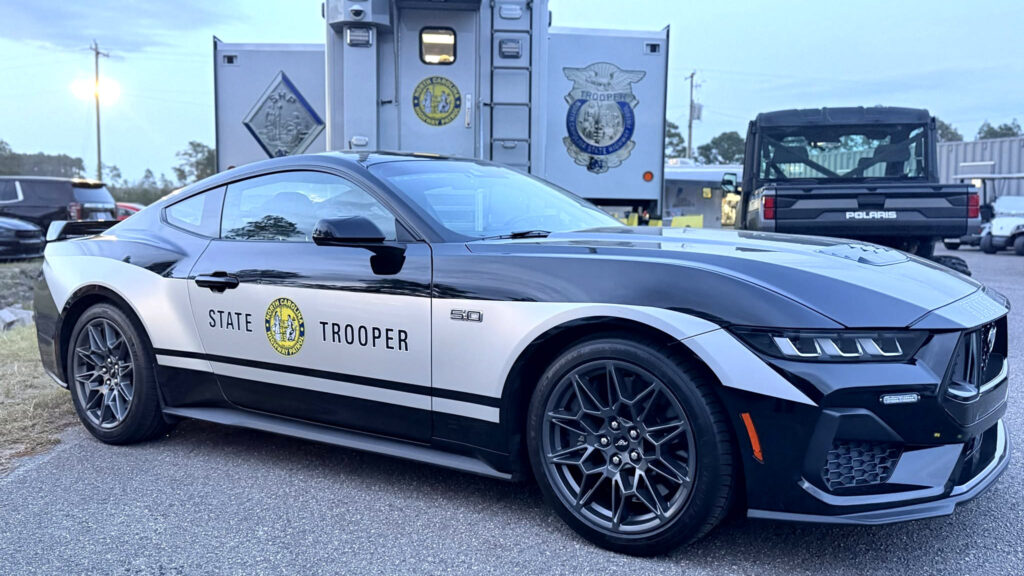
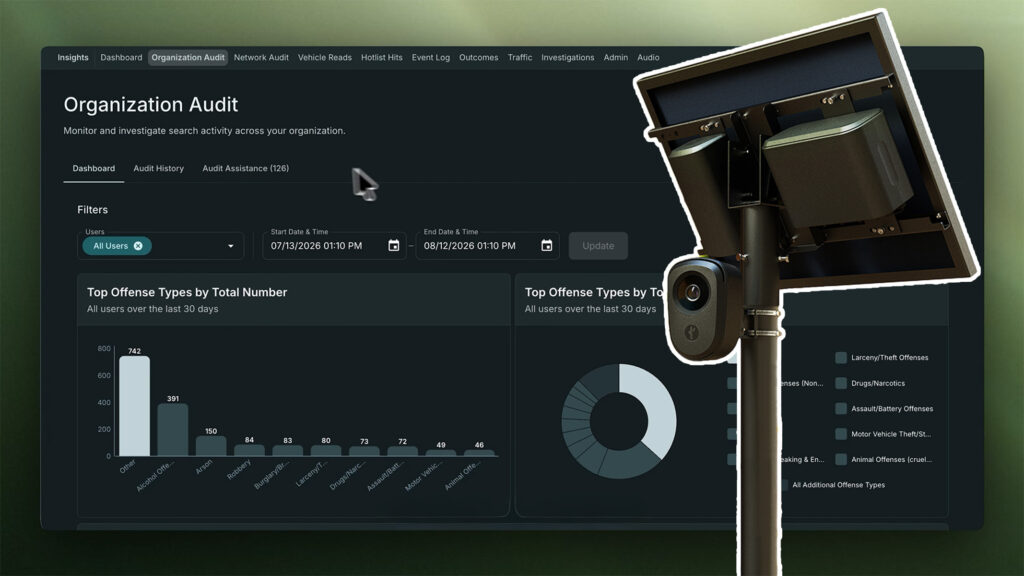
Flock Safety | Lead image: North Carolina State Highway Patrol
var adpushup = window.adpushup = window.adpushup || {que:[]};
adpushup.que.push(function() {
if (adpushup.config.platform !== "DESKTOP"){
adpushup.triggerAd("bb7964e9-07de-4b06-a83e-ead35079d53c");
} else {
adpushup.triggerAd("9b1169d9-7a89-4971-a77f-1397f7588751");
}
});

Comments
No comments yet — be the first to weigh in 👇
No comments yet. Be the first!