Full text
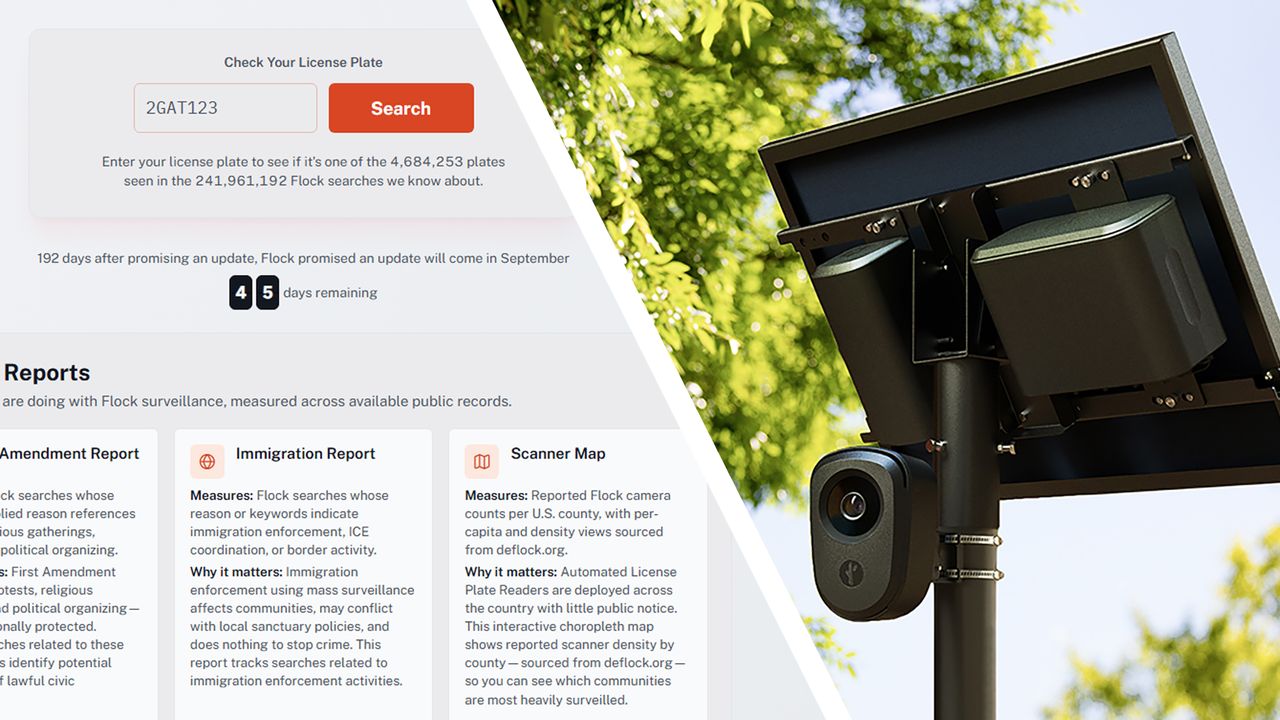
Head to Have I Been Flocked? to see if you've been looked up
You can read the details and reasons for each search
Your license plate registration is deleted after the search is run
There's been an increasing level of pushback against Flock and its network of 120,000 or so license plate readers across the US in recent months , and if you want to know if your vehicle has been the subject of a search on Flock's system, there's a website just for that.
Head over to Have I Been Flocked? (via Dexerto ), enter your license plate registration, and you'll get a report back. The site has amassed details of more than 241 million Flock searches, covering over 4.6 million license plates.
What's more, you can also see the reason that a plate was searched for — an auto theft or a traffic stop, for example. The site has a word cloud showing reasons for searches across the entire database, with words like "drugs" and "burglary" featuring prominently.
There's lots more to explore across the website as well, including audit reports, reports of non-criminal activities, searches run in partnership with US Immigration and Customs Enforcement (ICE), and data on where the license plate readers are clustered.
Data collection and privacy
There are over 120,000 Flock cameras across the US (Image credit: Getty Images) Have I Been Flocked? is the work of the independent editorial project Footnote4a , which reports on Flock's activities, the way that its technology is used, and the wider issues of mass surveillance and the privacy of citizens.
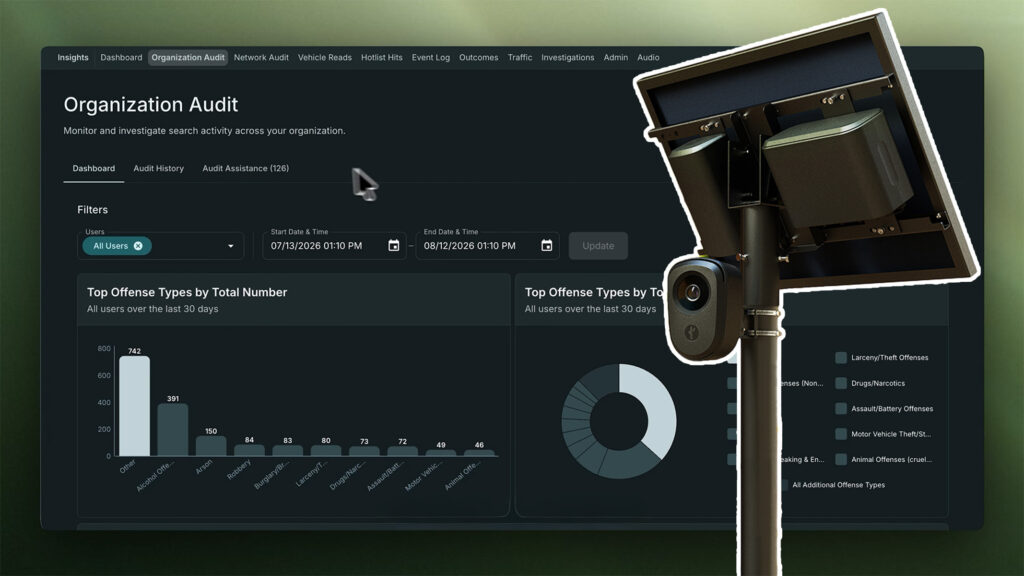
The extensive database has been compiled from audit logs released by local governments and Freedom of Information Act (FOIA) requests. It's not a complete history of Flock searches across every state, but it's still pretty comprehensive .
License plate registrations entered into the site aren't saved and are immediately deleted once the query is run. In addition, any sensitive personal information (like addresses) included in the audit logs is redacted.
"We believe mass surveillance has no place in a free society, and this data should not be collected to begin with," write the site's operators, adding that if it is collected, "warrants should be used" and "lookups should be rare" when accessing it.

Comments
No comments yet — be the first to weigh in 👇
No comments yet. Be the first!