Full text
Chinese equipment fills critical roles, though it represents only a small share overall
Russia plans to quadruple annual Angara rocket production within the next decade
Internal documents expose extensive factory upgrades supporting future rocket manufacturing
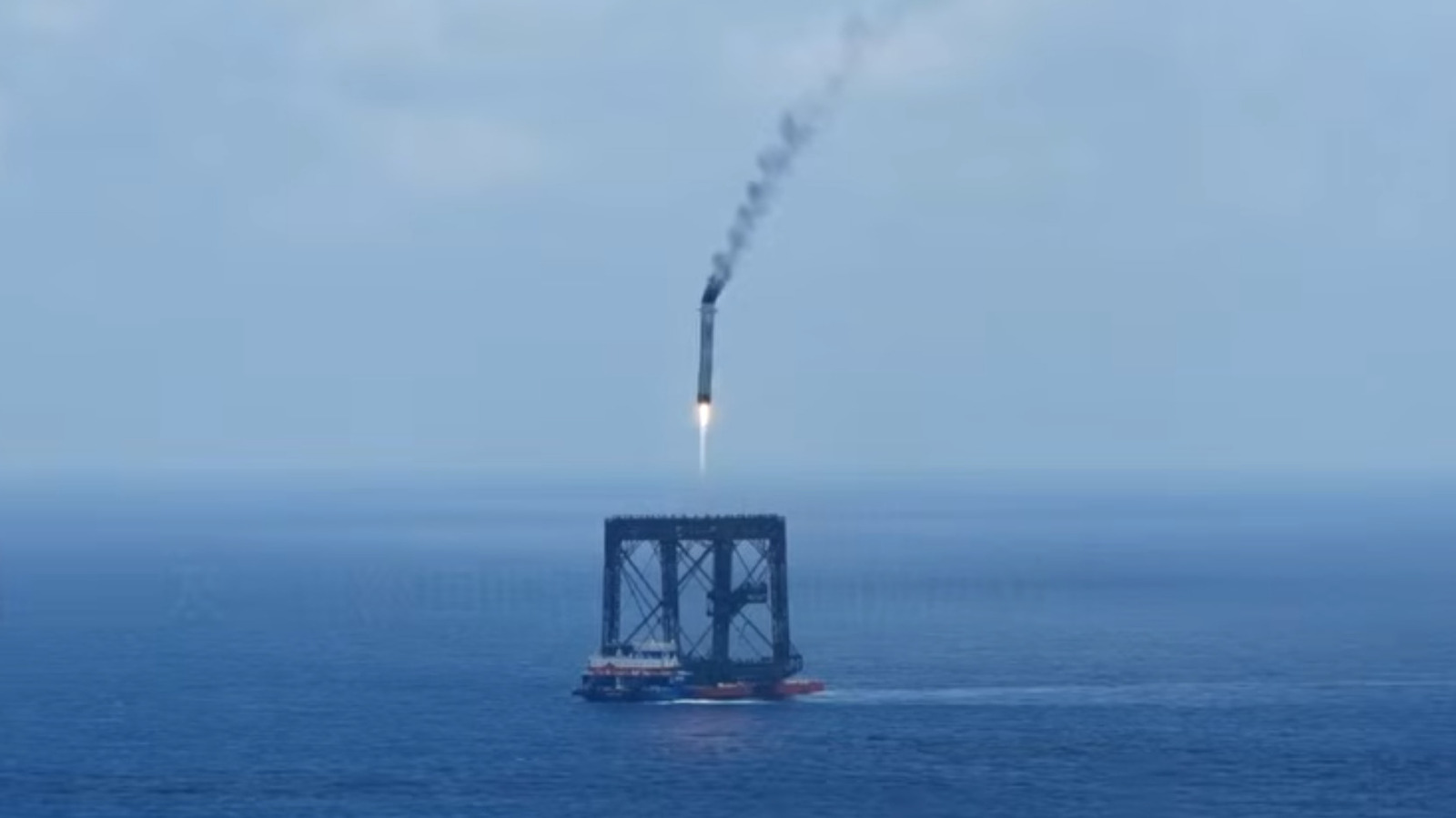
Russia is pushing to significantly grow production of its Angara space rockets, to quadruple annual output within the next decade.
Internal planning documents obtained by researchers show the expansion depends heavily on imported machine tools, and most of them are Chinese-made.
That dependence stretches across shop floors that Russia will need to modernize before it can build four rockets a year instead of one.
Counting the Chinese machines
Of the 541 pieces of equipment listed in the procurement plan, 477 are Russian-made, and only 57 come from Chinese suppliers.
Two more machines came from Bulgaria, leaving the Chinese share of the total list at roughly 10.5%, a modest slice on paper.
That number changes sharply once each machine is weighed by its technological importance rather than simply counted one by one.
Measured that way, Chinese suppliers account for 28.2% of the entire project's technological core, based on the internal planning documents.
In the metalworking shop alone, over 47% of the equipment needed there comes from Chinese manufacturers instead of domestic ones.
The finance tells a similar story: over 84% of the entire 3.62-billion-rouble (~$44.71 million) equipment budget still flows into that same technological core.
In total, Khrunichev intends to put close to 900 million roubles (~ $11.29 million), toward equipment made in China.
Roughly 10 manufacturers account for most of that spending, and several of them also sell machinery to buyers in Europe and America.
Where the machines really come from
Some of those companies fit a wider trend that has taken hold since the conflict between Russia and Ukraine started in 2022.
Heavy forging and hydraulic press equipment fall under European Union export restrictions whenever the intended buyer is based inside Russia.
Washington has also placed sanctions on Russian makers of heavy hydraulic presses, one of them a firm called Pressmash, back in 2023.
Yet under that very same customs code, the EU's imports of Chinese-made machine tools still totalled 207 million euros (~$238 million) in 2025.
Those imports rose another 17.6% in the opening six months of 2026, measured against the equivalent stretch the previous year.
In effect, the same manufacturers profit from Western markets that back Ukraine while also helping modernize the military hardware Russia sends into orbit.
Sanctioning any single Chinese supplier is unlikely to stop this flow of equipment, since near-identical machines are made by several competitors.
Whether losing access to European and American customers would ever outweigh the profits of supplying Russia remains an open question.
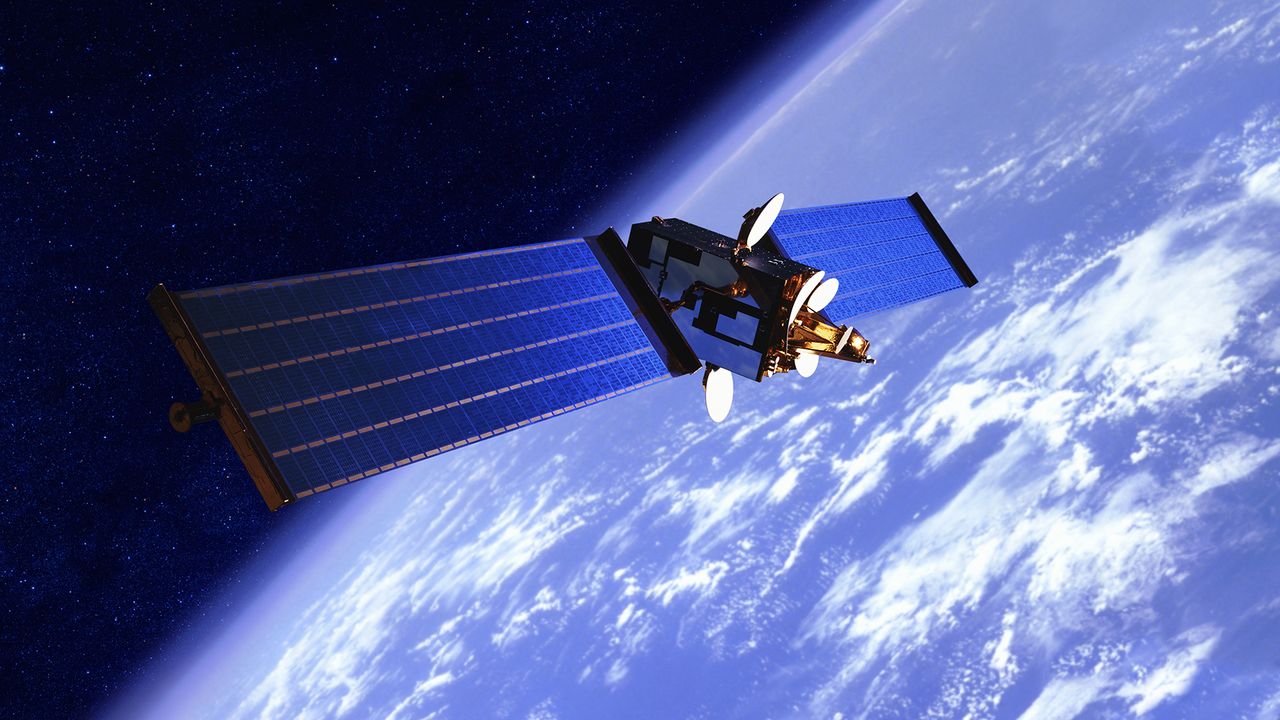
The Angara rockets built with the Chinese equipment carry the Russian Ministry of Defense satellites that American experts claim could threaten assets in orbit and on the ground.
However, Russian experts described the spacecraft as operating "in the interests of the Russian Ministry of Defense."
That difference between Moscow's official position and Washington's assessment has persisted since the conflict in Ukraine began.
Via United24media
Comments
No comments yet — be the first to weigh in 👇
No comments yet. Be the first!