Full text
Suno , the most popular AI music creation tool, spent years making it incredibly easy to generate music. Now it's introducing download limits, watermarking and fingerprinting to stop people flooding streaming services with AI slop .
That suggests something important to me: even the companies building generative AI are starting to realize unlimited AI creation comes with unintended consequences.
Suno CEO, Mikey Shulman, shared a blog post about the company's principles for building the future of music responsibly. He says “AI should help people create something new, not imitate someone else’s work. This philosophy has guided how we’ve built our models and platform from the start.”
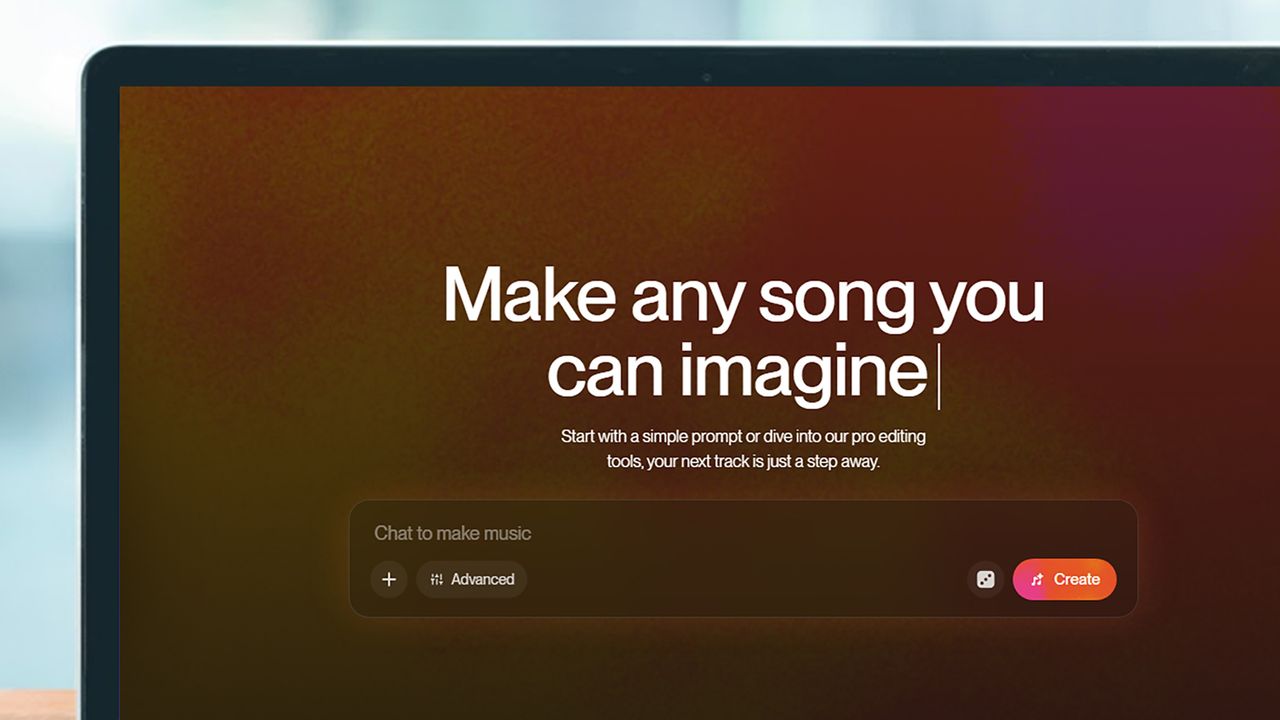
(Image credit: Suno) Great music is made by people
In a section titled “Our Principles”, Shulman says that “great music is made by people”.
The principles themselves aren't new. What's new is that Suno is now dedicating significant engineering effort to limiting abuse rather than simply enabling creation.
In his blog post Shulman writes “We will soon introduce a new downloads policy designed to limit the ability to mass distribute songs on streaming platforms, while preserving the professional, creative, and personal ways people use Suno. These changes won’t affect the vast majority of our users, but they will make large-scale abuse much harder.”
Schulman continues: “In the coming weeks, we will also be adopting new audio watermarking and fingerprinting technology so we can partner even more closely with distribution platforms on combatting fraud and misuse.”
That evolution fits the broader trend we’ve been covering from the music streaming services like Spotify, Deezer, Tidal, and Qobuz, who have started to fight back against AI-generated music flooding their platforms.
Managing the consequences
Streaming giant Tidal has published a comprehensive AI policy with the strapline "Promoting Fairness and Economic Empowerment in the Era of AI-Generated Music". Tidal will identify it, tag it and crucially, not pay any streaming royalties for it.
Spotfiy has introduced measures to prevent fraudulent streams and AI impersonation . Deezer announced that over half of all new daily uploads to its site are AI — up from 44% in April and just over 30% at the end of last year . It launched a free site to scan your playlists for AI in June. Qobuz has announced that it is taking a human-first approach to its recommendations and “developing detection and monitoring systems to identify AI-generated content and fraudulent streaming patterns.”
This announcement from Suno feels more significant than another AI company publishing a set of principles. It marks a shift in priorities. For the first few years of generative AI, success was measured by how much content these systems could produce. Now it looks like success is being measured by how effectively companies can prevent that content from overwhelming everything else.
The AI music industry is moving from maximizing generation to managing the consequences of generation, and it's about time.


Comments
No comments yet — be the first to weigh in 👇
No comments yet. Be the first!