Full text
Dutch regulators say FSD is safe, but they won’t release any data proving it.
Tesla has been accused of overstating the safety of its Full Self-Driving system.
Other European Union members will use RDW’s analysis for their own rulings.
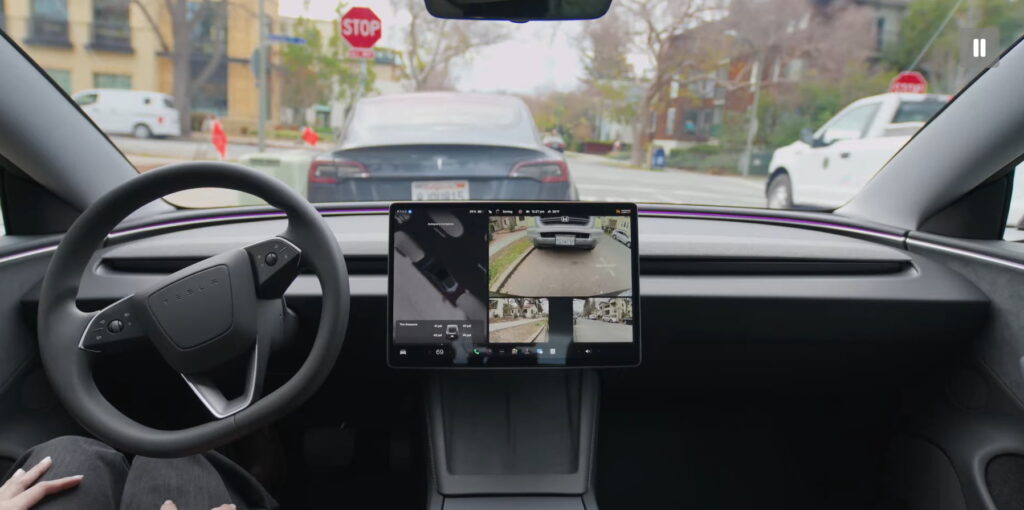
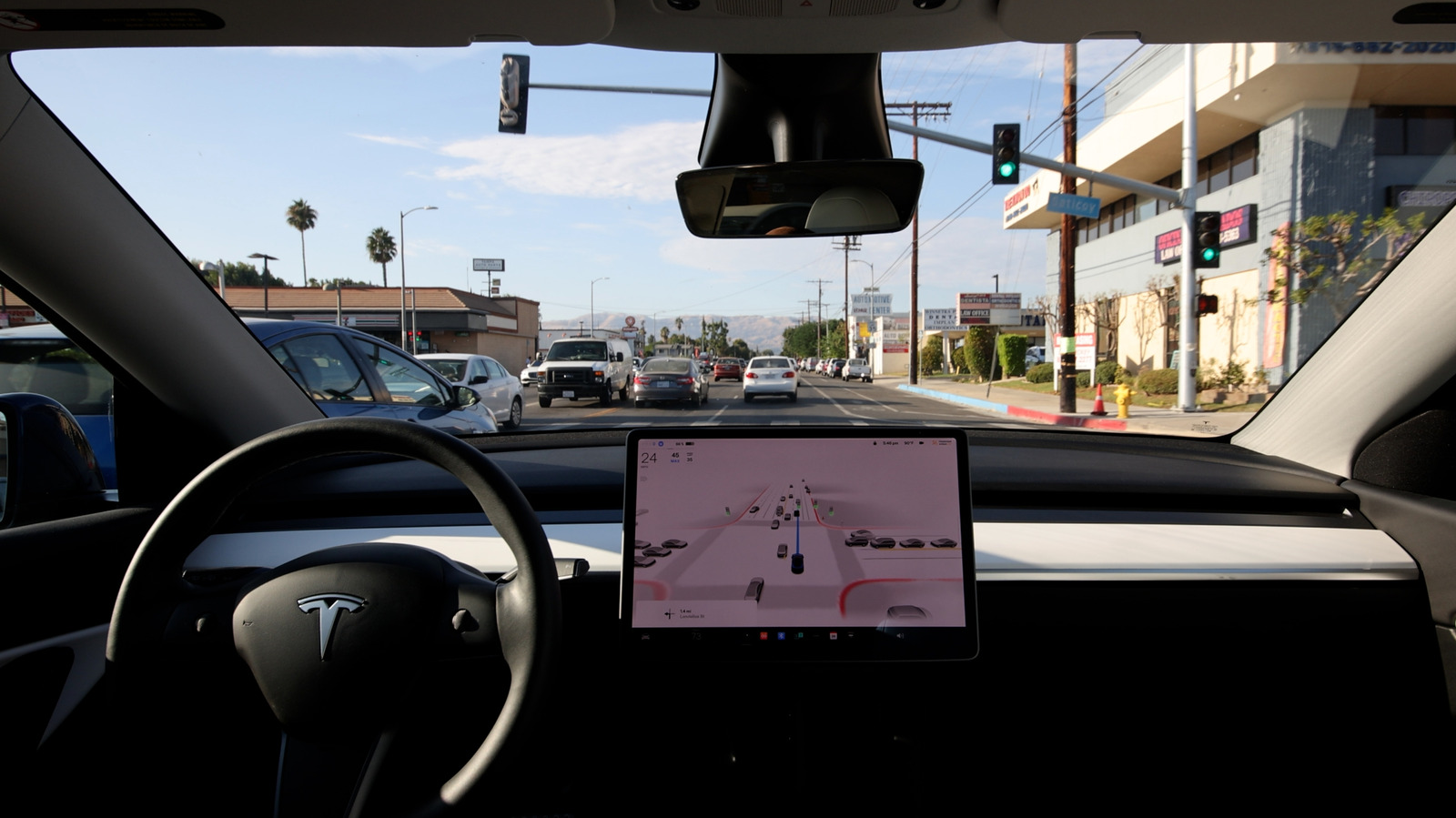
Dienst Wegverkeer, the Dutch road regulator known as RDW, is refusing to disclose how it decided Tesla’s Full Self-Driving system should be approved for local use . After granting FSD the green light in April, RDW has gone on to push for the system to be adopted across the rest of the European Union, a stance that puts the regulator in the position of advocate for a technology whose approval it won’t fully explain.
var adpushup = window.adpushup = window.adpushup || {que:[]};
adpushup.que.push(function() {
if (adpushup.config.platform !== "DESKTOP"){
adpushup.triggerAd("0f7e3106-c4d6-4db4-8135-c508879a76f8");
} else {
adpushup.triggerAd("82503191-e1d1-435a-874f-9c78a2a54a2f");
}
});
Emails between the regulator and Tesla , dating back to late 2024, show the automaker pressed RDW to keep every document tied to its FSD safety review out of public view. Tesla’s argument was that publishing the material would expose its commercial secrets.
Read: Tesla’s FSD Was Branded Controversial, But Dutch Safety Regulators Called It The Safest System In The Test
Speaking with Reuters , transportation-safety professor at the University of Leeds, Oliver Carsten, believes it’s in the public interest for details of RDW’s testing and analysis to be published. Similarly, Frank Mutze from local advocacy group European Transport Safety Council says without this information, the public has to trust that RDW “have done their homework.”
var adpushup = window.adpushup = window.adpushup || {que:[]};
adpushup.que.push(function() {
if (adpushup.config.platform === "DESKTOP"){
adpushup.triggerAd("ea4d4b5a-f8e5-4d5d-9d9a-53a3b956b6cd");
} else{
adpushup.triggerAd("44c0a4dc-e25b-4ba5-ac64-2c510461b92a");
}
});
Exaggerating Safety Benefits
In June it was revealed that Tesla had shared inflated Full Self-Driving data from the United States with numerous regulators across the EU, including RDW. This data has been found to have exaggerated FSD’s safety by comparing crash rates of FSD vehicles that triggered airbag deployments to federal crash rates for all vehicles, including those involved in less-severe accidents. Similarly, Tesla also compares its cars to the average US vehicle, which is more than 12 years old, without acknowledging that new cars are dramatically safer than older ones.
RDW says it did not rely on data provided by Tesla in approving FSD and states it conducted its own “extensive testing” of the technology.
RDW Has Its Say
An email exchange from April 2025 shows that Tesla reached out to RDW seeking clarification that it would “never” release a document related to the FSD system. Despite this, RDW says it decided to withhold information regarding its evaluation not due to Tesla’s request for secrecy, but of its own accord to protect Tesla’s company secrets.
var adpushup = window.adpushup = window.adpushup || {que:[]};
adpushup.que.push(function() {
if (adpushup.config.platform !== "DESKTOP"){
adpushup.triggerAd("bb7964e9-07de-4b06-a83e-ead35079d53c");
} else {
adpushup.triggerAd("9b1169d9-7a89-4971-a77f-1397f7588751");
}
});
It’s not just Dutch authorities that are keeping information regarding FSD behind closed doors. Regulators in six other European countries, including Germany, Denmark, and Norway, also say they will not release data on FSD testing, including information provided to them by RDW.
With it appearing increasingly likely that FSD will soon be approved for widespread use across the region, it seems as though consumers will simply have to trust regulators when they say the system is safe.
var adpushup = window.adpushup = window.adpushup || {que:[]};
adpushup.que.push(function() {
if (adpushup.config.platform !== "DESKTOP"){
adpushup.triggerAd("bb7964e9-07de-4b06-a83e-ead35079d53c");
} else {
adpushup.triggerAd("9b1169d9-7a89-4971-a77f-1397f7588751");
}
});
Comments
No comments yet — be the first to weigh in 👇
No comments yet. Be the first!