Full text
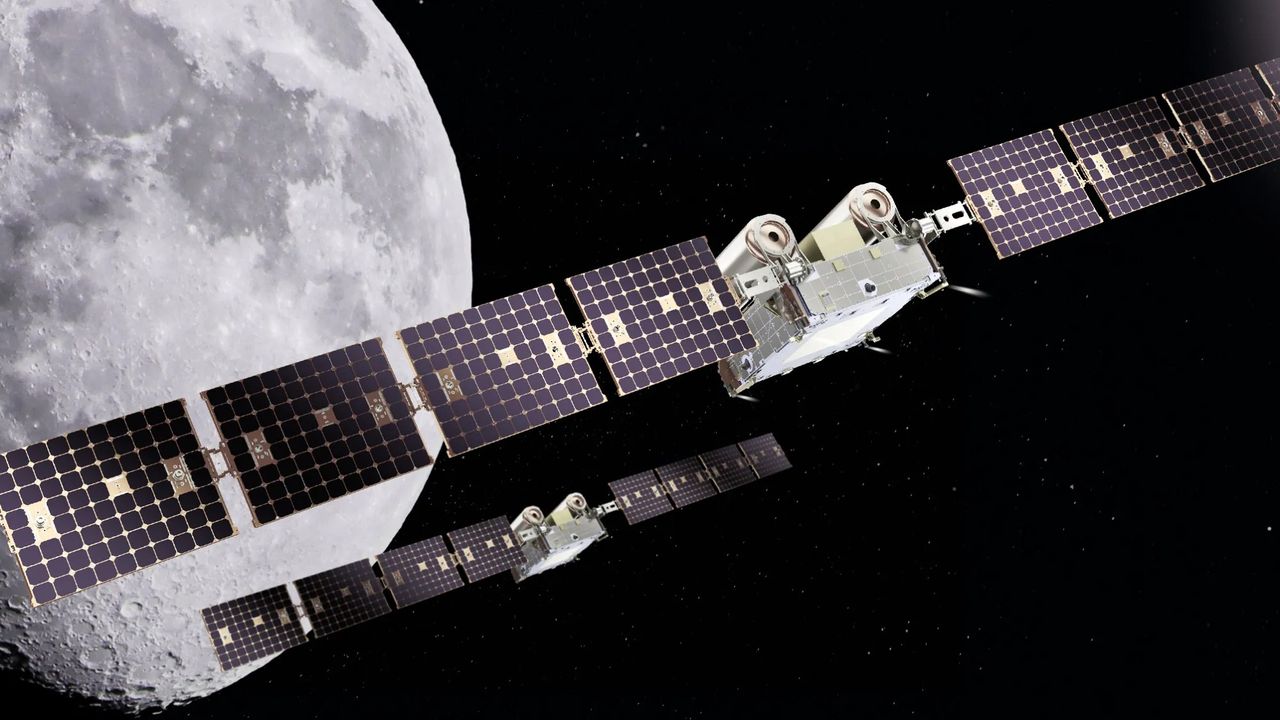
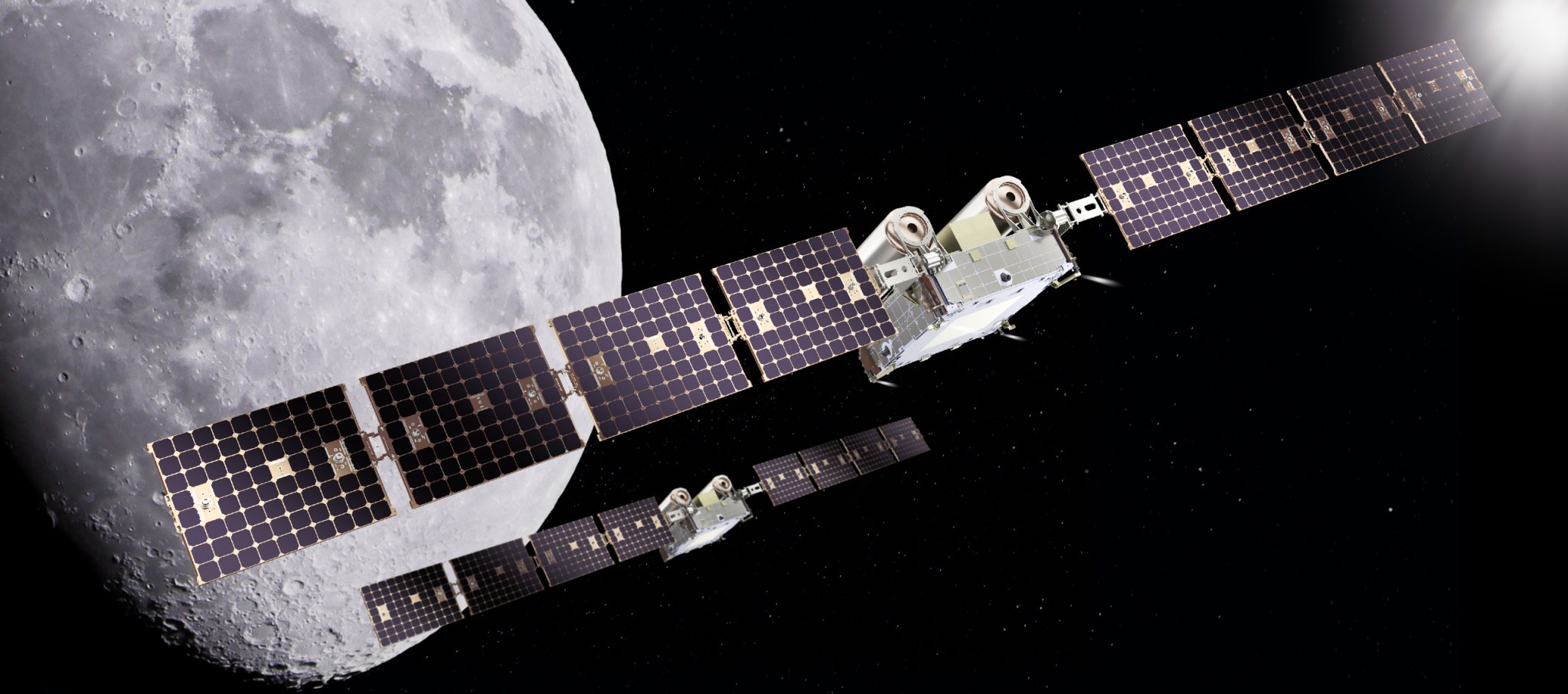
NASA is planning to send two maneuverable probes to lunar orbit in order to learn how spacecraft are affected by the complex gravitational environment near the moon.
The mission, known as CAPSTONE 02, is currently aiming to launch in 2027. It will see the two probes maneuver in close proximity to one another and fly in "formation" so mission operators can better understand the gravitational effects spacecraft experience in cislunar space . This area of space is under the influence of both Earth's gravity and the moon's, meaning spacecraft operating there will have to navigate what are known as "three-body orbits."
While testing spacecraft maneuverability in these complex orbits, CAPSTONE 02 will also study communication and navigation systems that will be used in NASA's planned Artemis missions of lunar exploration and moon base construction . "This mission represents an important step in the maturation of cislunar capabilities," said NASA's Sean Fuller, Moon Base CAPSTONE manager, in an agency statement . "CAPSTONE 02 lays the foundation for lunar infrastructure and commercial services that support Artemis, Moon Base, and future missions to deep space."
The two CAPSTONE 02 probes are being built by Terran Orbital Systems, Inc. Once in space, they will alternate jobs while flying in formation, switching between what NASA calls "chaser" and "target" roles.
The spacecraft pair will use celestial navigation, optical sensors and data collected by telescopes on the ground during these maneuvers. This is similar to how NASA will use a variety of data to help its Orion spacecraft meet up with a lunar lander en route to the moon.
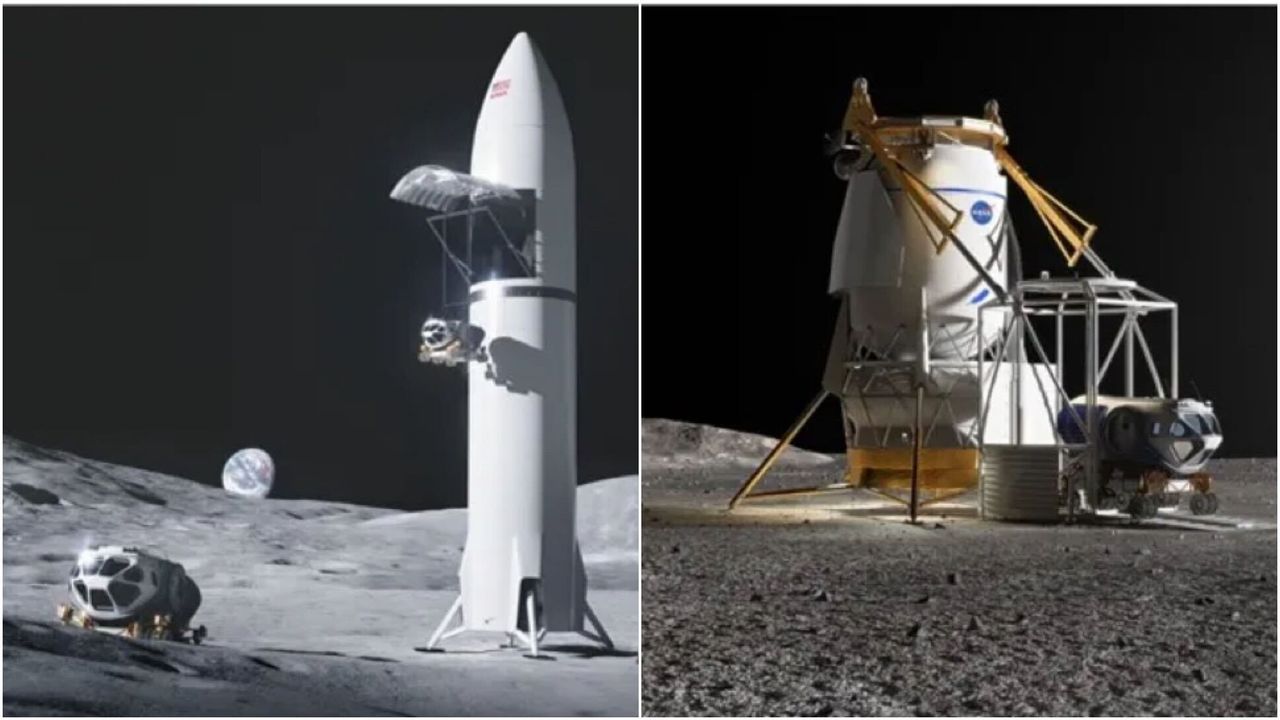
On the upcoming Artemis III mission, currently scheduled for 2027, NASA will test some of these techniques as Orion will rendezvous with both Blue Origin's Blue Moon lander and SpaceX's Starship, if all goes according to plan.
"Transporting crew to the lunar surface from cislunar orbit depends on knowing how well navigation systems will perform during these operations. Since these conditions can't be fully recreated on Earth, they must be tested in space," NASA wrote in its statement outlining the CAPSTONE 02 mission.
An artist's rendering of NASA's Orion spacecraft meeting up with SpaceX's Starship on the planned Artemis III mission. (Image credit: SpaceX) As its name implies, this will be the second mission under NASA's CAPSTONE program, or Cislunar Autonomous Positioning System Technology Operations and Navigation Experiment. The first CAPSTONE probe launched in 2022 and operated for four years before NASA officially concluded its mission in June 2026.
That microwave-oven-sized CAPSTONE spacecraft tested communications tech and became the first spacecraft to test three-body orbits around the moon, according to a NASA statement .
CAPSTONE was tested in what is known as a near rectilinear halo orbit . This is a fairly gravitationally stable orbit, thanks to the nearly equal pulls of both Earth's gravity and the moon's.
/https://tf-cmsv2-smithsonianmag-media.s3.amazonaws.com/filer_public/6f/ba/6fbae80b-16ca-4542-9ddc-5569dbcb1699/artemis_i_earth_moon_side_by_side.webp)
Comments
No comments yet — be the first to weigh in 👇
No comments yet. Be the first!