Full text
A detective allegedly used multiple law enforcement databases for a personal dispute.
The sheriff suspended Flock camera use pending a department-wide audit.
Investigators say additional charges could follow after further database reviews.
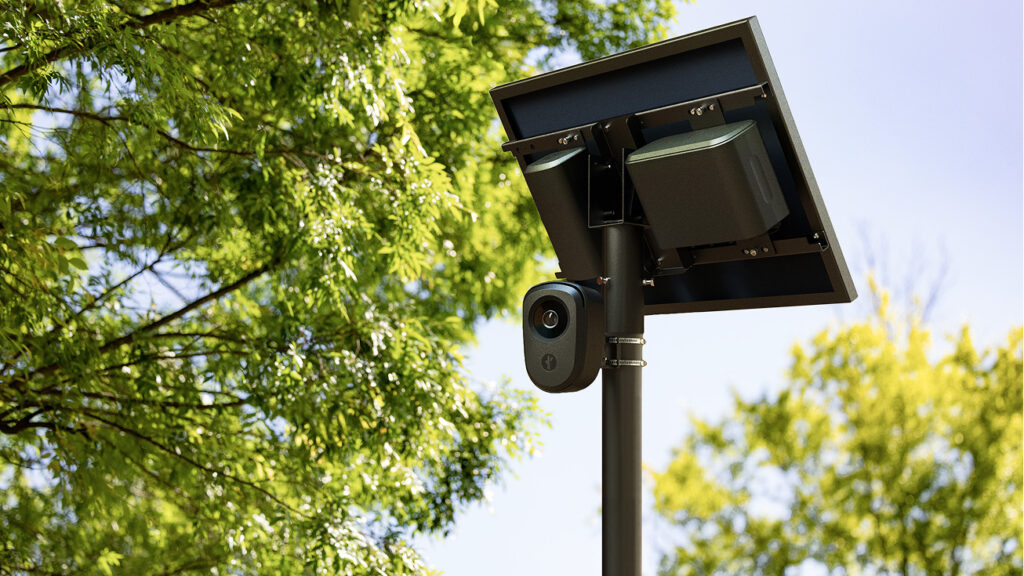
One case of alleged misuse. That’s all it took for a Florida sheriff to turn off Flock automatic license plate readers in his area. The suspected misconduct came to light during an internal audit, leading to the arrest and termination of a detective. The case also raises fresh questions about how closely agencies monitor officers’ access to powerful surveillance tools .
var adpushup = window.adpushup = window.adpushup || {que:[]};
adpushup.que.push(function() {
if (adpushup.config.platform !== "DESKTOP"){
adpushup.triggerAd("0f7e3106-c4d6-4db4-8135-c508879a76f8");
} else {
adpushup.triggerAd("82503191-e1d1-435a-874f-9c78a2a54a2f");
}
});
According to the Sumter County Sheriff’s Office , Detective Brandy Almany, who had been employed since 2019, came under scrutiny on July 23. That’s the day that an internal audit flagged unusual activity across several law enforcement databases.
Read: Why More Cities Are Suddenly Pulling The Plug On Flock Safety Cameras
Investigators allege she accessed the Comprehensive Case Information System (CCIS), Florida’s Driver and Vehicle Information Database (DAVID), and Flock’s automated license plate recognition (ALPR) system for reasons unrelated to any legitimate criminal investigation.
var adpushup = window.adpushup = window.adpushup || {que:[]};
adpushup.que.push(function() {
if (adpushup.config.platform === "DESKTOP"){
adpushup.triggerAd("ea4d4b5a-f8e5-4d5d-9d9a-53a3b956b6cd");
} else{
adpushup.triggerAd("44c0a4dc-e25b-4ba5-ac64-2c510461b92a");
}
});
Authorities claim Almany used unrelated Sheriff’s Office case numbers and fabricated investigative justifications to make the searches appear official, when they were allegedly conducted for personal reasons. According to investigators, the searches focused on the ex-wife of Almany’s husband.
An arrest warrant was issued charging Almany with one count of official misconduct and three counts of offenses against computer uses. The charges allege she knowingly exceeded her authorized access to Sheriff’s Office systems, DAVID, and CCIS while also falsifying official electronic records to conceal the unauthorized searches. She’s only the latest in a series of cases where police and other members of the public have misused ALPR systems.
The Broader Impact
Sheriff Pat Breeden said in a public statement that the alleged actions violated the department’s standards of professionalism and integrity. He also announced that the Sheriff’s Office has suspended its use of the Flock ALPR system while conducting a comprehensive audit of all law enforcement databases available to the agency. Almany could face additional charges depending on what they find.
In the past, some victims of ALPR misuse only discovered they’d been tracked because public records requests exposed questionable searches . In recent weeks, however, Flock changed the way certain data is identified in its records, making that same kind of independent scrutiny significantly more difficult. In this case, the company’s own audit system appears to have uncovered the alleged abuse, but that raises two broader questions.
var adpushup = window.adpushup = window.adpushup || {que:[]};
adpushup.que.push(function() {
if (adpushup.config.platform !== "DESKTOP"){
adpushup.triggerAd("bb7964e9-07de-4b06-a83e-ead35079d53c");
} else {
adpushup.triggerAd("9b1169d9-7a89-4971-a77f-1397f7588751");
}
});
Should the public simply accept that detecting misuse after the fact is the best these systems can offer? Or should companies be working toward safeguards that make misuse far more difficult in the first place? After all, when emotions are running high, and someone believes they have access to a powerful tool that could benefit them personally, resisting temptation isn’t always realistic.
The current approach appears to assume that audits and accountability after the fact are an adequate safeguard. But whether that’s enough is a debate that cases like this are only likely to intensify.
var adpushup = window.adpushup = window.adpushup || {que:[]};
adpushup.que.push(function() {
if (adpushup.config.platform !== "DESKTOP"){
adpushup.triggerAd("bb7964e9-07de-4b06-a83e-ead35079d53c");
} else {
adpushup.triggerAd("9b1169d9-7a89-4971-a77f-1397f7588751");
}
});


/https://tf-cmsv2-smithsonianmag-media.s3.amazonaws.com/filer_public/56/c0/56c0e9d9-e2dd-45a9-a77b-86acc725a0ea/751111359_955707160864416_4593662300171942136_n.png)
 💻 Technology
LAPD lets Flock Safety license plate camera contract expire over privacy concerns
Carscoops · 10d ago
💻 Technology
LAPD lets Flock Safety license plate camera contract expire over privacy concerns
Carscoops · 10d ago
 🌍 World
LAPD wrongly stopped 161 innocent drivers in two months due to licence plate reader errors
404 Media · 11d ago
🌍 World
LAPD wrongly stopped 161 innocent drivers in two months due to licence plate reader errors
404 Media · 11d ago
 💻 Technology
Meta's Smart Glasses Create a Moderation Crisis Over Privacy and Surveillance
The Verge · 11h ago
💻 Technology
Meta's Smart Glasses Create a Moderation Crisis Over Privacy and Surveillance
The Verge · 11h ago
Comments
No comments yet — be the first to weigh in 👇
No comments yet. Be the first!