Full text
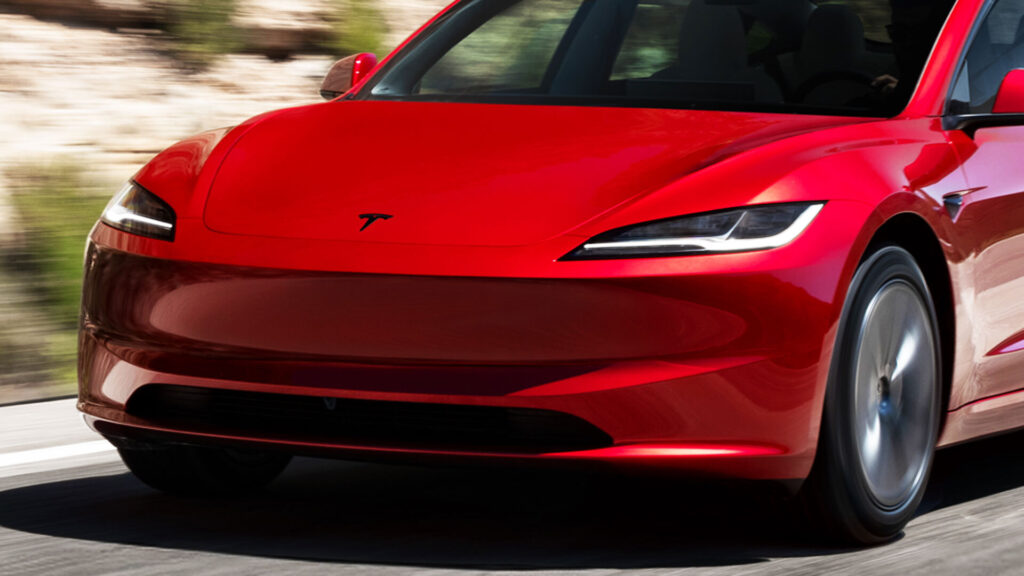
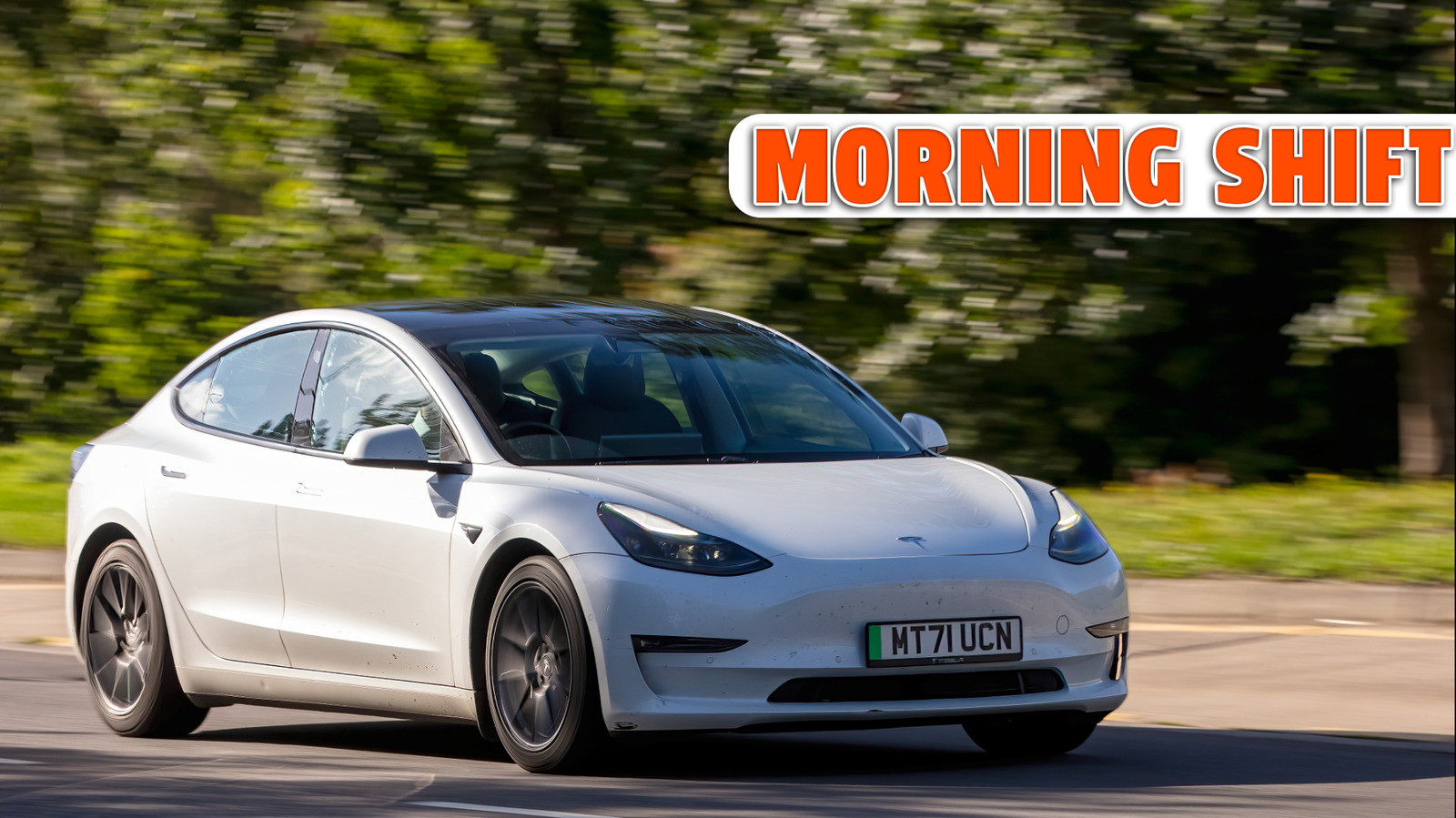
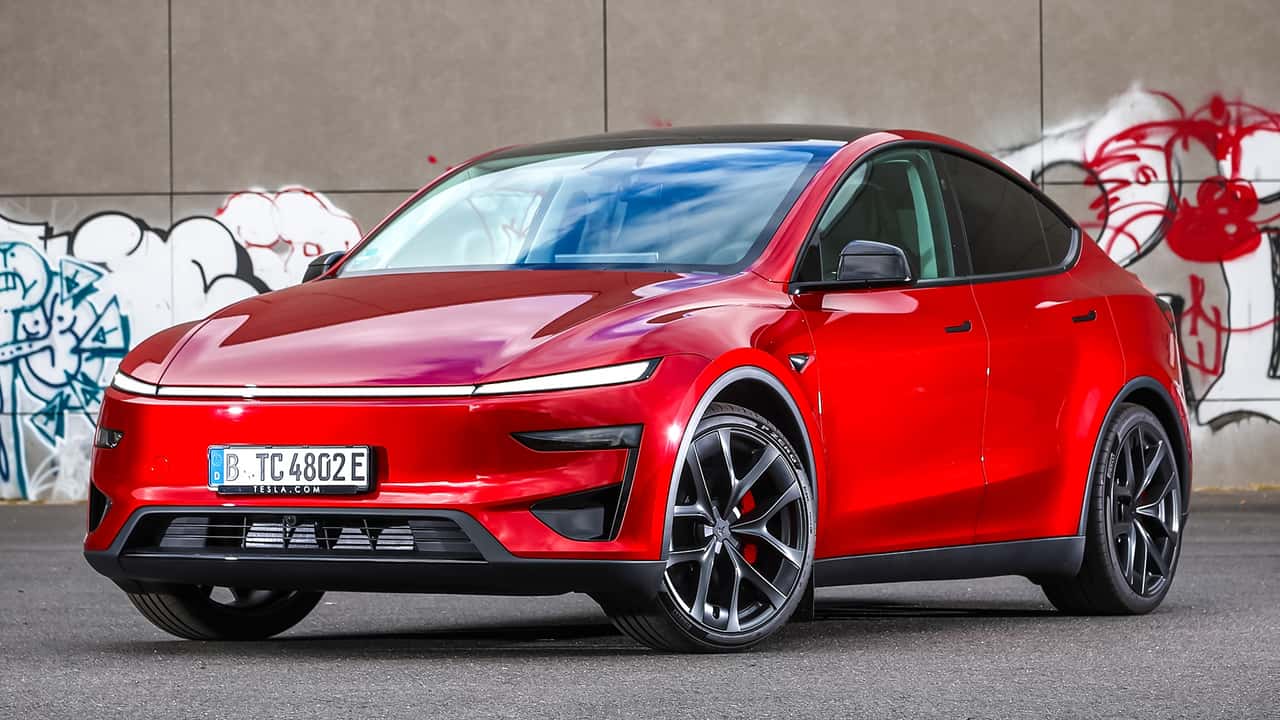
Tesla Model 3 and Model Y EVs might not meet US safety standards.
The vehicles were built for Canada and then imported into the US.
Automaker issued compliance letters they shouldn’t have given.
The auto industry is complex and global, much to the chagrin of the Trump administration . While that’s another story, this is causing an odd headache for Tesla as they’re recalling 15 vehicles.
var adpushup = window.adpushup = window.adpushup || {que:[]};
adpushup.que.push(function() {
if (adpushup.config.platform !== "DESKTOP"){
adpushup.triggerAd("0f7e3106-c4d6-4db4-8135-c508879a76f8");
} else {
adpushup.triggerAd("82503191-e1d1-435a-874f-9c78a2a54a2f");
}
});
According to the National Highway Traffic Safety Administration, the models in question were assembled at plants in either Berlin or Shanghai. They were made to comply with Canadian safety standards, but may have been subsequently imported by customers into the United States.
More: Tesla Is Recalling All 173 Cybertrucks Because Their Wheels Can Fall Off
That doesn’t sound like a big deal, but the government noted the vehicles don’t comply with U.S. safety standards. In particular, they’re not equipped with a knee airbag and this means they “do not meet the unbelted test requirements.” Furthermore, the Canadian Model 3 hasn’t been tested with bumper impact resistance procedures used in America, while the Model Y is not equipped with countermeasures required to meet FMVSS No. 201. The latter covers interior occupant protection during an impact.
var adpushup = window.adpushup = window.adpushup || {que:[]};
adpushup.que.push(function() {
if (adpushup.config.platform === "DESKTOP"){
adpushup.triggerAd("ea4d4b5a-f8e5-4d5d-9d9a-53a3b956b6cd");
} else{
adpushup.triggerAd("44c0a4dc-e25b-4ba5-ac64-2c510461b92a");
}
});
The NHTSA said the vehicles were sold in Canada between December 21, 2023 and February 16, 2026. Following the sale, customers reached out seeking compliance letters to import them into the United States. These confirmed the models complied with “all applicable Federal motor vehicle safety, bumper, and theft prevention standards, except for the certain standards related to labeling and daytime running lamps outlined in 49 C.F.R. 591.5(g).”
Tesla ended up launching an internal review after receiving a compliance letter request from “outside the customary communication channel.” This pushed the automaker to “understand the design and vehicle content differences between vehicles built at … different assembly plants, and whether the differences in vehicle content between markets affected compliance with FMVSS requirements.” Needless to say, that should have been done before compliance letters were ever issued.
Tesla is now on the hook for big bucks as they’re repurchasing vehicles that were imported into America. For models that haven’t been imported yet, their letters of compliance are being rescinded and owners will get “new letters that correctly describe the vehicles as noncompliant to certain FMVSS.”
var adpushup = window.adpushup = window.adpushup || {que:[]};
adpushup.que.push(function() {
if (adpushup.config.platform !== "DESKTOP"){
adpushup.triggerAd("bb7964e9-07de-4b06-a83e-ead35079d53c");
} else {
adpushup.triggerAd("9b1169d9-7a89-4971-a77f-1397f7588751");
}
});
Comments
No comments yet — be the first to weigh in 👇
No comments yet. Be the first!