Lilly obesity drug shows weight loss, but heart risk question unanswered
Eli Lilly released Phase 3 results for its next-generation obesity drug, showing it is highly effective at producing weight loss. The study enrolled nearly 2,000 people with severe obesity and heart disease. However, the data are insufficient to determine whether the drug actually reduces cardiovascular risk — a critical outstanding question for the drug's broader use.
Full text
Top of the morning to you, and a fine one it is. Sunny skies and mild breezes are enveloping the Pharmalot campus once again, making it possible for the official mascots to eat breakfast on the deck and take long naps. As for us, we are firing up the coffee kettle to make another cup of stimulation. Our choice today is hot buttered rum, an old standby. Please feel free to join us. Meanwhile, here is the latest menu of tidbits to help you on your journey. We hope you have a meaningful and productive day and, of course, do stay in touch. …
Eli Lilly reported more results showing its next-generation obesity drug is highly effective at weight loss, but data from the study, focused on people with heart disease, are not enough to answer a critical question — whether it reduces cardiovascular risk , STAT points out. The Phase 3 study enrolled nearly 2,000 people with severe obesity and heart disease, with or without diabetes. Those on the highest dose of the drug, called retatrutide, lost 22.6% of their weight after 80 weeks, while those on placebo lost 3.2%, when analyzing only participants who stayed on treatment. However, on prespecified analyses that looked at the occurrence of major cardiovascular events such as death, heart attack, or stroke, those taking retatrutide did not have a statistically significant lower risk of major events than those on placebo.
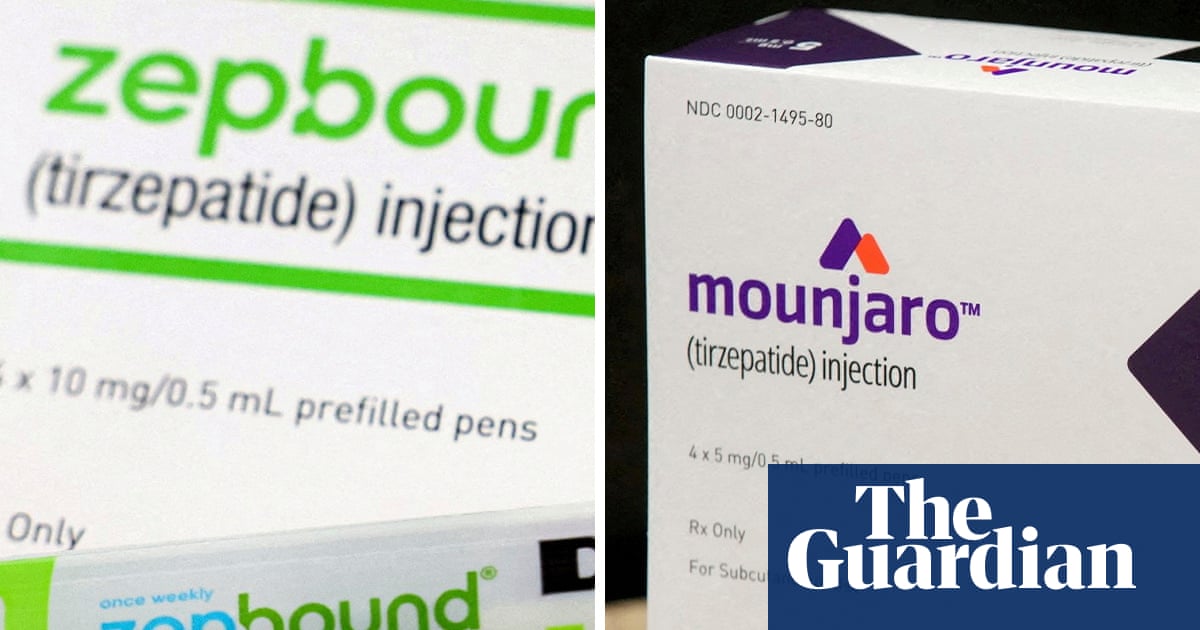
Many patients have opted for injectable forms of the popular GLP-1 obesity medications through a pilot program of the U.S. government’s Medicare health insurance program for Americans aged 65 and older , Reuters says. The U.S. Centers for Medicare & Medicaid Services this month launched an 18-month trial program that for the first time opens access to Novo Nordisk’s Wegovy and Eli Lilly’s Foundayo and Zepbound as weight loss treatment alone for a monthly cost of $50. Millions of people are expected to qualify, and doctors are being flooded with interest from patients. Many pharmaceutical industry experts had expected that patients would prefer pills over injections, for convenience, but 8 of 10 doctors interviewed and three pharma sector analysts said many are opting for injectables.
Continue to STAT+ to read the full story…
📈 Business
Novo Nordisk Sues Eli Lilly Over Misleading Weight-Loss Drug Ads
The Guardian Health · 2d ago
📈 Business
Cramer backs Eli Lilly despite rival's GLP-1 lawsuit
CNBC · 2d ago
🏥 Health
Ozempic may lower cancer risk — but headlines are misleading, doctor warns
The Conversation · 10d ago
🏥 Health
Who benefits from classifying obesity as a disease? Pharma firms lead the push
STAT News · 14d ago
📈 Business
Novo Nordisk Sues Eli Lilly Over Misleading Weight-Loss Drug Ads
The Guardian Health · 2d ago
Should a weight-loss drug be approved without clear cardiovascular risk data?
Comments
No comments yet
Comments
No comments yet — be the first to weigh in 👇
No comments yet. Be the first!