🔬
🔬 Science
Rivers of magma once flowed beneath Mars's surface, raising hopes for past habitability
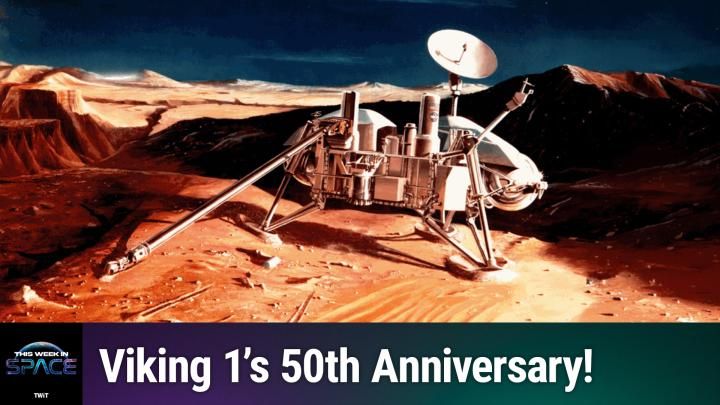
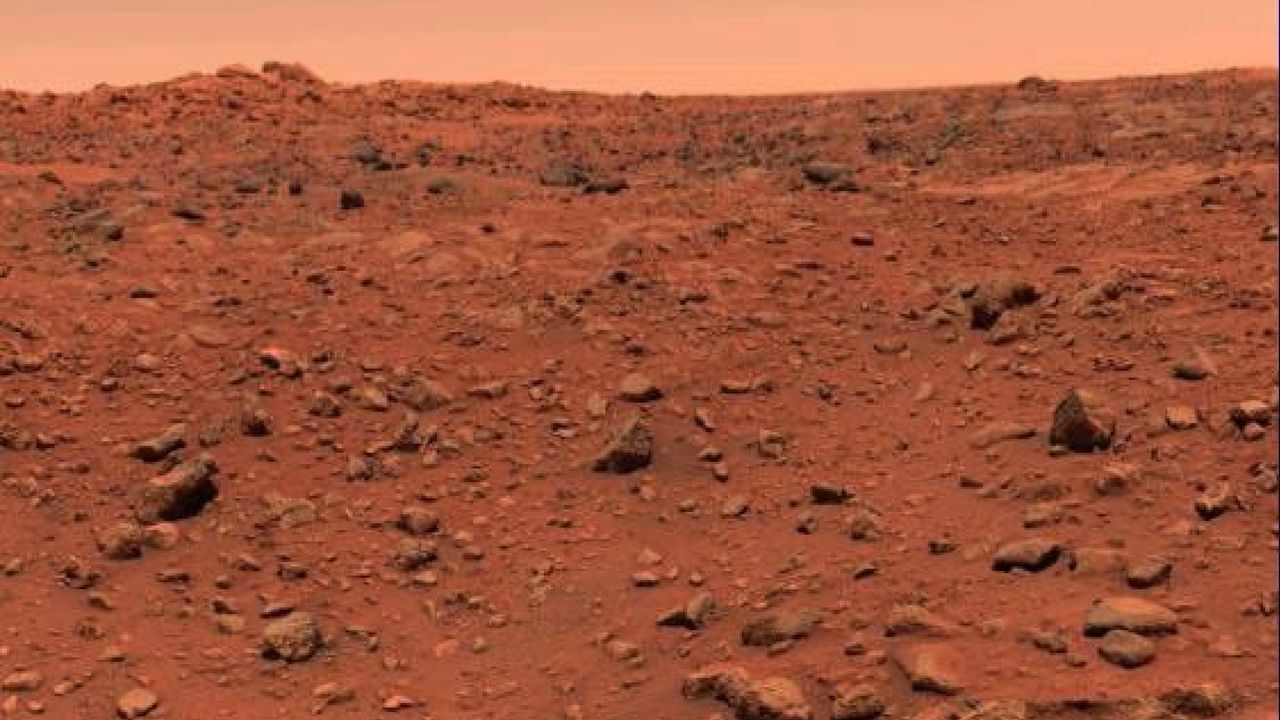
Scientists at the University of Oxford analysed seismic data from NASA's InSight lander and found evidence of a mysterious boundary 24 km beneath Mars's surface, most likely caused by molten rock pooling and spreading laterally for hundreds or thousands of miles. The findings, published in Nature Astronomy, suggest Mars may once have had conditions capable of supporting life. The discovery broadens the range of rocky planets considered potentially habitable in the past.

Comments
No comments yet
Comments
No comments yet — be the first to weigh in 👇
No comments yet. Be the first!