✈️
✈️ Travel
Penshurst's medieval dole table — one of England's last surviving charity stone tables
Penshurst in England is home to one of the very few surviving medieval dole tables — stone tables used from the Middle Ages until the 16th or 17th century to distribute food, clothing and money to the poor. They were typically placed in church porches or churchyards, with donations given on occasions such as St Thomas' Day on 21 December. The Grade I listed church in Penshurst has stood since 1115.
 Medieval fortress on the San River restored — archaeologists uncover its secrets
RMF24 · 1d ago
Bayeux Tapestry arrives in London for first-ever loan to the British Museum
France 24 · 4d ago
Medieval fortress on the San River restored — archaeologists uncover its secrets
RMF24 · 1d ago
Bayeux Tapestry arrives in London for first-ever loan to the British Museum
France 24 · 4d ago
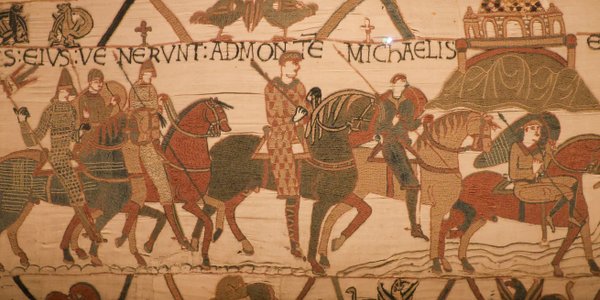 Bayeux Tapestry returns to England after nearly 1,000 years – on display in London from 10 August
Rzeczpospolita · 17d ago
Bayeux Tapestry returns to England after nearly 1,000 years – on display in London from 10 August
Rzeczpospolita · 17d ago
Comments
No comments yet
Comments
No comments yet — be the first to weigh in 👇
No comments yet. Be the first!