Analyst: Sony ending physical PS games is like Apple dropping the CD drive
Games analyst Daniel Ahmad of Niko Partners argues that Sony ending physical PlayStation games is comparable to Apple removing CD drives from its laptops starting in 2008 — a decision that drew complaints at the time but is forgotten today. He says the shift to digital on consoles was inevitable, and that consumer rights debates should now focus on what a digital licence should actually enable. Ahmad presented data underpinning Sony's decision but maintained the broader move is an industry-wide trend.
Full text
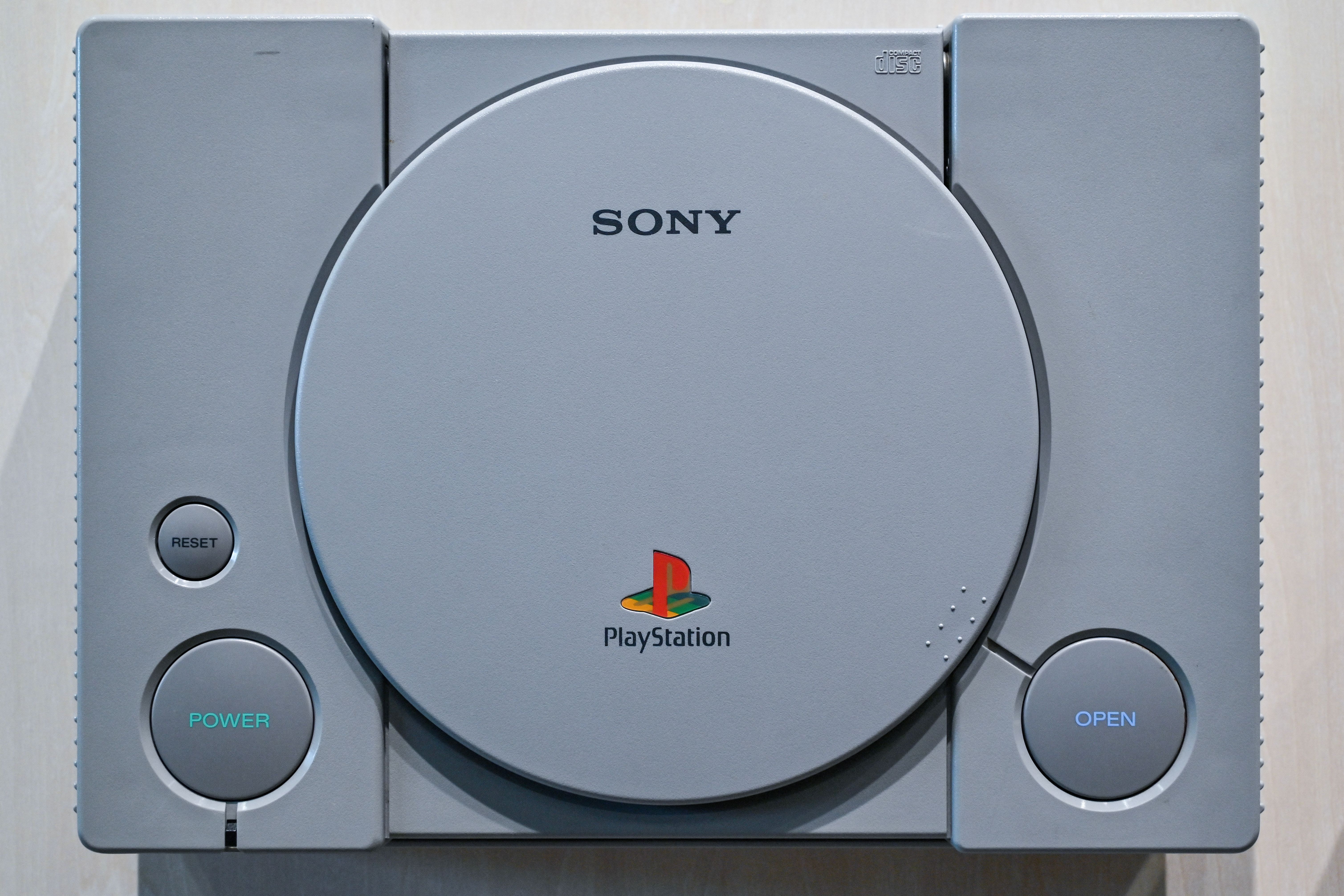
Likening Sony's impending deathblow to physical PlayStation games to Apple removing disc drives from its laptops, reputable games analyst Daniel Ahmad of Niko Partners argues that the shift to digital "would inevitably happen" on consoles and current conversations around consumer rights are better served targeting digital rights and "what a license should enable."
In a lengthy post on Twitter , Ahmad fields another user's question: "Is the PlayStation disc situation reminding anyone else of Apple deciding to get rid of the headphone jack?"
Ahmad reckons, "It's more like Apple removing the CD Drive from its laptops starting in 2008. There were definitely a high number of complaints at the time , but not a single person is complaining about it today. You couldn't find many people complaining in the early 2010s either."
He lays out some of the data driving Sony's decision to end disc support. Full game sales are "around 80%" digital on PlayStation and "over 90%" digital on Xbox, Ahmad begins.
Heading off one counterpoint regarding digital dominance, he adds, "Yes, these numbers include digital only games, reflecting the current market environment, but they don't include DLC, microtransactions or subscriptions / free games."
He also downplays some Insomniac Games sales figures which have been presented as evidence that physical still represents a healthy chunk of PS5 sales, saying they are "out of date" and only show sell in, rather than sell through, which is inflated "because Sony counts bundles as retail sales, even if it's a digital code with the console."
Ahmad reasons that "the console ecosystem is nearly entirely digital at this point," with many of the most-played games on PS5 skipping discs entirely (and GTA 6 notably joining this camp ), and digital-only PS5s seeing a "current sell through rate" above 50% (even if 70% of PS5s sold do have a disc drive, by his figures).
The simple explanation for Sony's decision here is about what you'd expect: money and control. It and publishers would "prefer to sell all games digitally if they could for the higher margins," Ahmad says, and that includes effectively shutting out the secondhand market to ensure "a closed ecosystem." (As a quick aside, this is also why consumers stand strictly to lose options and versatility in this proposed digital future .)
He echoes a point recently made by Circana's Mat Piscatella: the next console generation is staring down a pricing hurdle which will lead to a smaller install base and/or much slower adoption, meaning platform holders like Sony will focus on increased profitability for the base they do capture. Sony described an increased focus on "monetizing our user base" in a recent report to shareholders, in fact. Shifting to higher-margin digital sales is part of this strategy, Ahmad agrees.
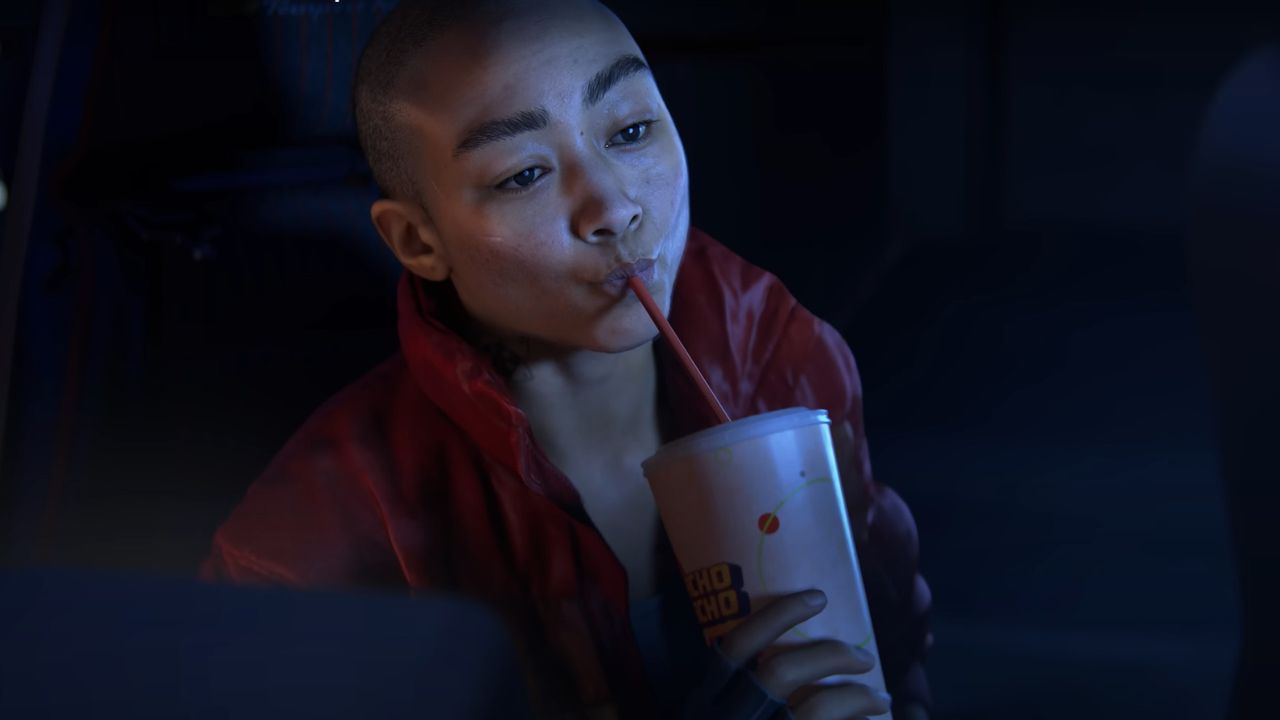
(Image credit: PlayStation / Sucker Punch) Ahmad puts it this way: "Sony knows the PS6 is entering a market where consoles will cost over $1,000 and the average console player will think twice about upgrading on day one. While part of it is cutting costs, it's also a realization that consoles are no longer going to be $199 mass market devices and they will need to focus on hardcore gamers who are willing to spend more than ever." In some ways, this puts the PS6 in a similar position to the PS5 Pro as a much more enthusiast-first product that is not expected to have a whole generation-sized footprint.
In essence, he adds, Sony is paraphrasing notorious former Xbox exec Don Mattrick and saying, "We already have a device that can play discs, and it's called the PS5."
Ahmad criticizes Sony's handling of the no-physical news. He, like others, doubts the company will reverse its decision, but expects it to "end up clarifying certain aspects" that should have been laid out to begin with. "Had they talked about a disc to digital program, or confirmed a disc add-on for the PS6, the backlash wouldn't have been as strong," he says. Xbox is reportedly testing its own method of digitizing physical game collections, as it happens.
Additionally, Ahmad says he does believe that "used physical games helps increase overall affordability," and that Sony "could support physical games for a few more years" if it wanted to, "especially through a limited run style model or at a more expensive price point compared to the digital version."
It's no coincidence that Nintendo is supporting physical games on Switch 2, even if some are just game-key cards, partly by selling digital versions $10 cheaper .
As we face a digital future, Ahmad advocates that, "Regardless of whether we're talking about bringing physical back, or embracing digital, the conversation needs to shift to consumer rights and what a license should enable. Stop Killing Games was one part of it, but gifting, family sharing, refunds, and other aspects are just as important."
These digital features and the discussions around them tend to be a bit more advanced on PC, where games have effectively been digital-only for a while. On general-purpose PCs, games are also more readily archivable and, often, available through multiple stores (which aren't tied to generational blackouts like the PS3 and Vita ), which is partly why digital-only games on PC and console can't be directly equated.
Returning to the Apple analogy, Ahmad concludes, "This time a new laptop will cost $5k and my old one with a disc drive works just fine."
Does anyone actually want new consoles?
Is Sony ending physical PlayStation games good for gamers?
Comments
No comments yet

















Comments
No comments yet — be the first to weigh in 👇
No comments yet. Be the first!