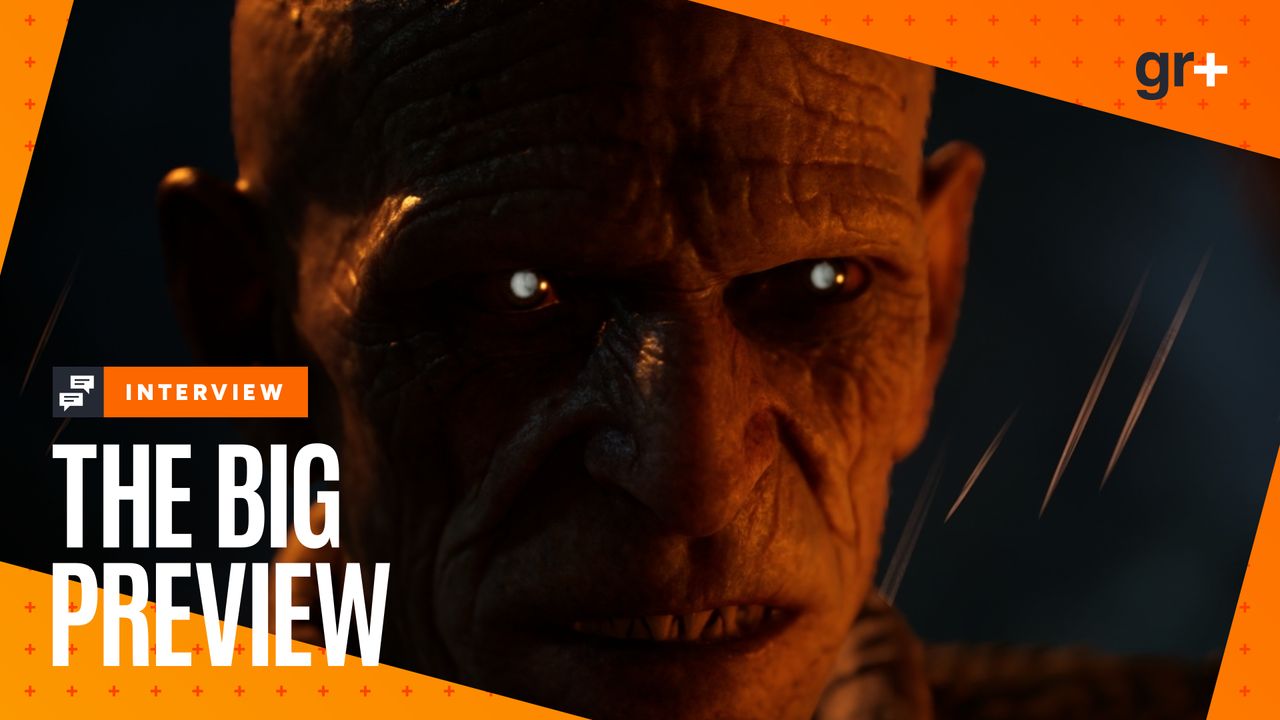
Blood of Dawnwalker devs: "We want our own identity, not a genre box"
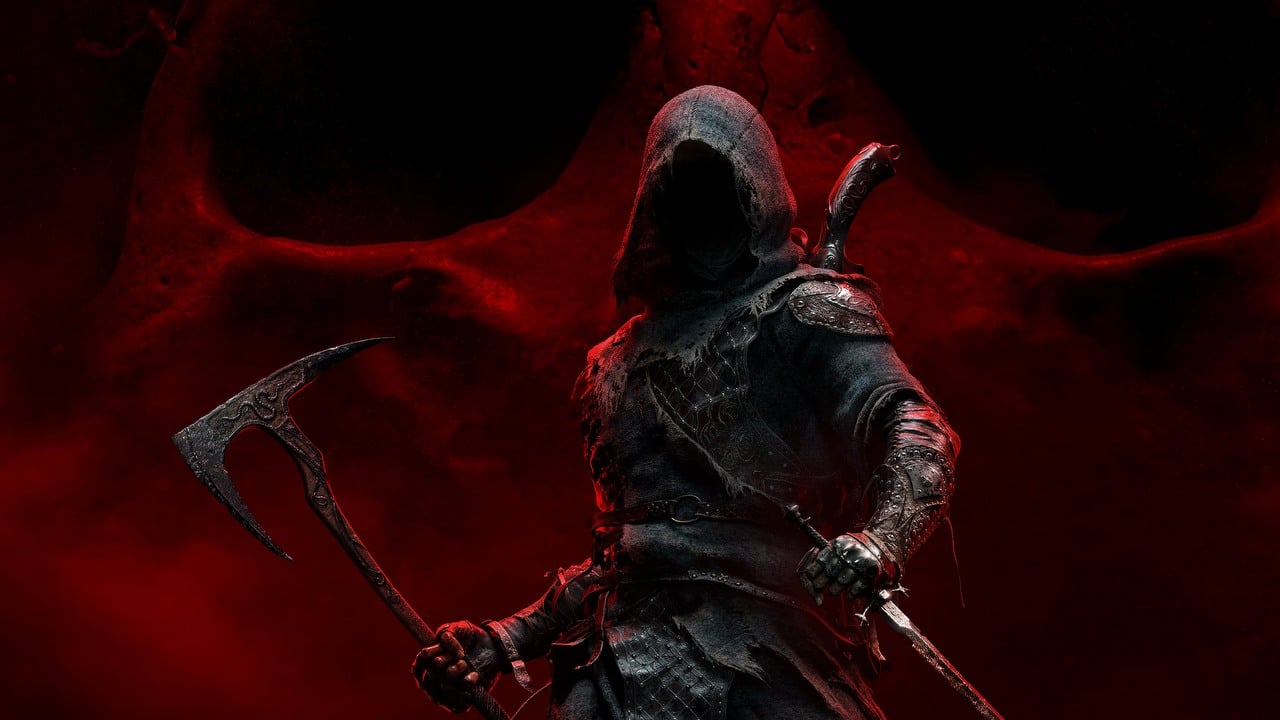
Rebel Wolves, a studio co-founded by Witcher 3 director Konrad Tomaszkiewicz and other CD Projekt Red veterans, is developing Blood of Dawnwalker — an open-world vampire RPG. The developers say they want to break free from genre labels and build their own artistic identity. Tomaszkiewicz revealed that video games were his childhood escape from a difficult home life, which shaped his approach to storytelling.
Full text
The Blood of Dawnwalker is the product of lives spent worshipping RPGs. Its developer, Rebel Wolves, was co-founded by a cohort of CD Projekt Red veterans – writers, artists and directors with credits including The Witcher 3: Wild Hunt and Cyberpunk 2077. After spending four hours with The Blood of Dawnwalker , sucking blood and coming to grips with being a vampire in an open-world RPG, I caught up with game director Konrad Tomaszkiewicz and environment artist Adam Payet to learn more about the personal tastes driving their studio's debut.
Tomaszkiewicz, best known for directing The Witcher 3, found his way to the genre as a means of stepping out from the real world. "My father was a surgeon, but also an alcoholic. It was really hard in our childhood, and video games were my escape," he tells me. "I started from the Spectrum [computer] and I'd rewrite games from the magazines. Then I had an Atari and the NGPC games, and I also played pen and paper RPGs."
Meanwhile, Payet fell in love with the first Baldur's Gate and the rest was history. "In terms of [Tomaszkiewicz's]personal and family-related background, it's a very similar story to me, weirdly," he says. While Tomaszkiewicz channeled his passion for RPGs into CD Projekt Red over the years, moving from The Witcher trilogy's story and game design to lead quest designer and ultimately game director, Payet was inspired by Minecraft to broach game development during the COVID-19 pandemic. "I was taken by the fact there was a world I could shape as well as explore," he recalls. "At one point I got frustrated that it's all cubes, so I started learning software to make my own things."
Salem's Gate
(Image credit: Rebel Wolves) Futures past
(Image credit: Rebel Wolves) As The Blood of Dawnwalker reveals a modern-day twist, devs confirm our choices in the vampire RPG will carry into a "saga" of sequels
Although I spent four hours playing The Blood of Dawnwalker , it took a fraction of that time to lose myself in its setting. It's something I discuss in my hands-on preview, but the speed at which Rebel Wolves makes you care about its 14th century world is remarkable. So much has happened here before Coen's story begins – war and the Black Plague have left their mark on Vale Sangora, their effects visible in dilapidated villages and looming stone watchtowers. Some of the threads I pull at during exploration, from folktales mentioned in passing to wall paintings in an ancient tomb, hint at lore stretching back hundreds of years.
Main antagonist Brencis has been sucking blood since the Roman Empire's rule, and as freshly-turned progeny Coen fights his sire's rule in Vale Sangora, the ancient vampire and his court can retaliate by issuing edicts and wielding their influence against him across the open-world. In tandem with The Blood of Dawnwalker's time-as-a-currency mechanic, in which quests and side activities nudge the clock hands forward, the world feels truly dynamic – I'm desperate to run amok, but equally feel like I've just started a good book.
(Image credit: Rebel Wolves) It makes it so much easier to build a world when you know its history
Adam Payet, environment artist
Having played my fair share of slow-burn RPGs, I don't take The Blood of Dawnwalker's immediate magnetism for granted. Pressed on how it's achieved, Tomaszkiewicz points to the team's "years of experience" working with "the best in the industry" – which, he adds, includes Rebel Wolves in its current iteration. "We put our heart and soul into [our] games," says Tomaszkiewicz. "We fight a lot while we're doing it, and there's a lot of complaining about the stuff we don't like, so we try to make it better and better. This way, with a lot of iteration, we are where we are."
Joining The Blood of Dawnwalker's development at a later date, Payet's introduction to Vale Sangora mirrors my literary impressions more directly. In his first week at Rebel Wolves, he was asked to read the game's hefty "lore bible" and told that the game's world "is huge not necessarily in terms of physicality, but in terms of lore."
"All of that has been painstakingly researched and written so that what you see in the game is just the tip of the iceberg," he adds. "But the iceberg does exist, and that lends credibility. It makes it so much easier to build a world when you know its history."
What's in a name?
(Image credit: Rebel Wolves) We want to have our own identity
Konrad Tomaszkiewicz, game director
The RPG genre has worn many hats over the years. Tabletop RPGs hitch their wagons to raw imagination and remain timeless for it, and while video games initially sought to replicate that as authentically as possible – often with mechanically dense isometric titles and some of the best tactical RPGs to date – years of lighter third-person adventures and action RPGs have broadened their horizons further. Even now, we see the likes of Clair Obscur: Expedition 33, Kingdom Come: Deliverance 2, and Baldur's Gate 3 find mainstream success by building upon the genre's earliest philosophies and mechanics.
With the term 'RPG' now standing for so much, I ask the pair whether they feel a core identity remains or if player taste has fragmented too much for an umbrella term.
Payet brings up a recent conversation within Rebel Wolves. "We miss when genre wasn't a thing, back in the '90s or early 2000s. When you bought a game pre-YouTube, pre-[online] games media, all you had was the title and a blurb of text on the back. Three screenshots, and you didn't know anything until you opened the booklet!"
"It wasn't like 'Oh, that's an RPG', or 'that's a roguelike', or Metroidvania, or whatever," he adds. "It was just: it's a game – go do the thing! Not being constrained by a label of this or that genre made it so people went out with crazy ideas."
(Image credit: Rebel Wolves) "For me, the core will always be the same," says Tomaszkiewicz. "The clue is [in the name] – to get into the role."
The director likens shifting norms and features to "branches" of the genre, and in doing so, speaks to the ambition that marks The Blood of Dawnwalker as one to watch. "I hope that we created our own [RPG] branch," he says. "With this narrative sandbox, this particular combat, and day and night creating other ways to experience the game, this is the branch we want to develop. We want to have our own identity."
One more bite?
The Blood of Dawnwalker preview
The Blood of Dawnwalker's pen-and-paper inspirations
Interview: The Blood of Dawnwalker's lead quest designer
5 ways The Blood of Dawnwalker impresses
Does Blood of Dawnwalker have a chance to match CD Projekt Red's quality?
Comments
No comments yet











Comments
No comments yet — be the first to weigh in 👇
No comments yet. Be the first!