Full text
PS5 owners are cancelling their PlayStation Plus subscriptions in protest at Sony's controversial decision to stop releasing games on physical discs — but the gesture will not force the console maker to change its mind, analysts say.
Sony has drawn huge amounts of online criticism from PlayStation owners upset at the move to an all-digital future for all new PS5 games launched from January 2028 onwards — something that's almost certain to also continue on PS6 . A high-profile petition calling on Sony to reconsider its decision has now reached over 200,000 signatures, and in the past few days, PS5 users have taken to social media to share screenshots of cancelled PS Plus subscriptions.
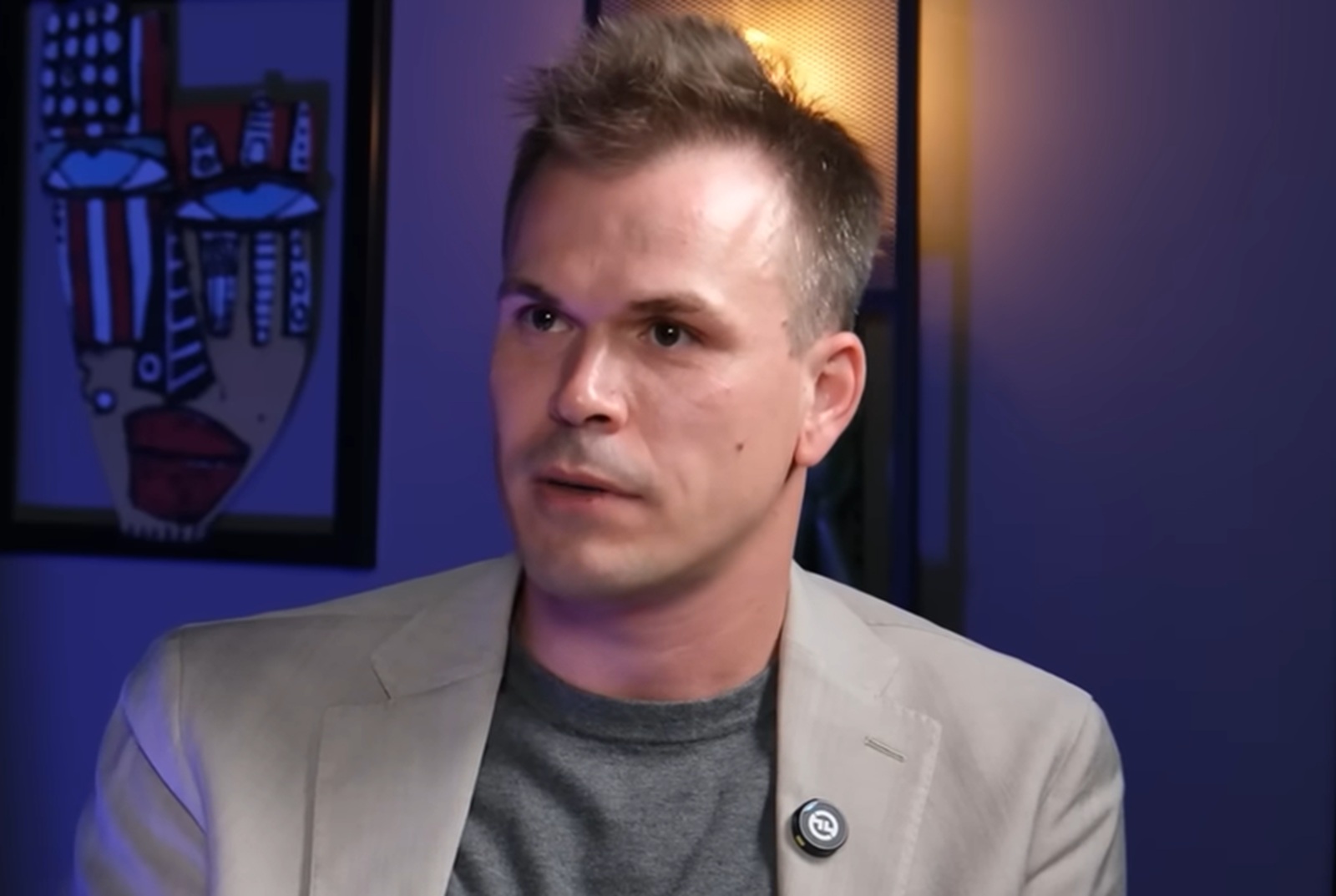
But, speaking to IGN, Dr. Serkan Toto, CEO of Japanese game industry consultancy firm Kantan Games, suggested that even if half a million people cancelled their PlayStation Plus subscription in protest, it would be just a drop in the ocean for Sony — which is not going to change its mind.
"I sympathize with physical media fans, but Sony will not reverse this decision," Toto told IGN. "They of course knew what the online reaction would look like, and they now wait for this storm to pass.
"Sony has over 120 million active PlayStation users," he continued. "Around 50 million people subscribe to PlayStation Plus. As a thought experiment, let's say 500,000 cancel in protest, that would be just 1% of that business gone — of course not enough to Sony to start rethinking. Digital is just too lucrative."
Of course, digital downloads now dominate video game sales, and Sony can be seen as simply reflecting the prevailing taste of its customers. But as Toto states, there's also a huge financial advantage to this move, which saves on manufacturing and distribution costs, ensures it no longer pays a portion of sales to retailers, and captures more platform fees on the sale of third-party games via the PlayStation Store.
It's worth breaking the economics down in a bit more detail to see why a tiny percentage of cancelled subscriptions likely makes little difference to Sony's bottom line.
For a first-party PlayStation game such as The Last of Us, Sony will only keep around 65% of the money from a physical copy, with around 30% going to the retailer and roughly another 5% on manufacturing costs. Meanwhile, for a physical copy of a third-party game such as the Activision-published Call of Duty, Sony will get a licensing fee of likely around 15%.
For digital downloads, however, the margins are much higher. For a first-party game sold via Sony's own PlayStation Store, the company obviously keeps 100% of the revenue. For third-party games such as Call of Duty, meanwhile, Sony keeps a 30% cut (so, roughly $21 for a $70 game).
"I do think Sony will respond in some capacity given the backlash (and tbh they shouldn't have announced this until they were ready to disclose how discs would work on PS6)," said Daniel Ahmad, Director of Research & Insights at Niko Partners, via a post on X/Twitter. "But I'd be surprised if they do a full reversal at this point."
"Their current profit margin has been too weak for years now, so they feel like they must act," Toto concluded. "From an economic perspective, digital sales just make too much sense especially for platform holders."
Image credit: CFOTO/Future Publishing via Getty Images.
Tom Phillips is IGN's News Editor. You can reach Tom at tom_phillips@ign.com or find him on Bluesky @tomphillipseg.bsky.social


















Comments
No comments yet — be the first to weigh in 👇
No comments yet. Be the first!