
Stockholm spends millions to stop gangs recruiting children into organised crime
Stockholm, one of Sweden's cities hardest hit by gang violence, has invested millions in prevention programmes aimed at stopping children from joining organised crime. The Fryshuset centre combines a school, social hub and drop-in facility for at-risk youth. Deputy mayor Alexander Ojanne says the city faces a stark choice: invest in prevention or pay the price of gang activity later.
Full text
STOCKHOLM — At first glance, Fryshuset in Stockholm looks like any ordinary school. A group of girls sit together during recess, laughing, while the rhythmic bounce of a basketball echoes from the gym next door. Only the social workers and monitors discreetly making their rounds hint that something else is happening inside.
The sprawling building is at once a school, a social hub and a drop-in center for young people at risk of being drawn into crime.
That mission has become increasingly urgent in Sweden, where gang violence has spread and teenagers are being recruited into organized crime at ever-younger ages. Stockholm, one of the cities hardest hit by the violence, has invested millions in prevention programs aimed at stopping children from joining gangs in the first place.
“We have two options,” said Alexander Ojanne, Stockholm’s deputy mayor for social affairs and public safety. “We can wait until it is too late — or we can try to rescue the situation beforehand.”
The debate over how to do that has become one of Sweden’s defining political fights ahead of a general election in September. Prime Minister Ulf Kristersson’s center-right government has sought to curb gang violence through tougher penalties, expanded police powers and tighter migration laws. At one point, it even considered allowing prison sentences for children as young as 13 in the most serious cases.
At Fryshuset, the approach is different: mentoring, talent development and early intervention.
“Education is the best way to help young people lead a good life. That is why we work closely with schools and social services,” Ojanne told WELT, which, like POLITICO, is part of the Axel Springer Global Reporters Network.
Sweden’s problems with organized crime and drug trafficking have been building for years. The rise of social media has made recruitment easier, while tougher sentences for young adults have helped push gangs to use younger children to commit crimes. According to the Swedish Prosecution Authority, in the first nine months of 2025, 127 suspects in homicides — including aiding and abetting murder — were under the age of 15. During the same period in 2022, that number was 14.
The risk factors are often similar, said Sven Granath, a criminologist at Stockholm University. “Individual factors such as an impulsive personality and difficulties in school are often accompanied by social risks: poverty and unemployment, violence or drug abuse in the family.”
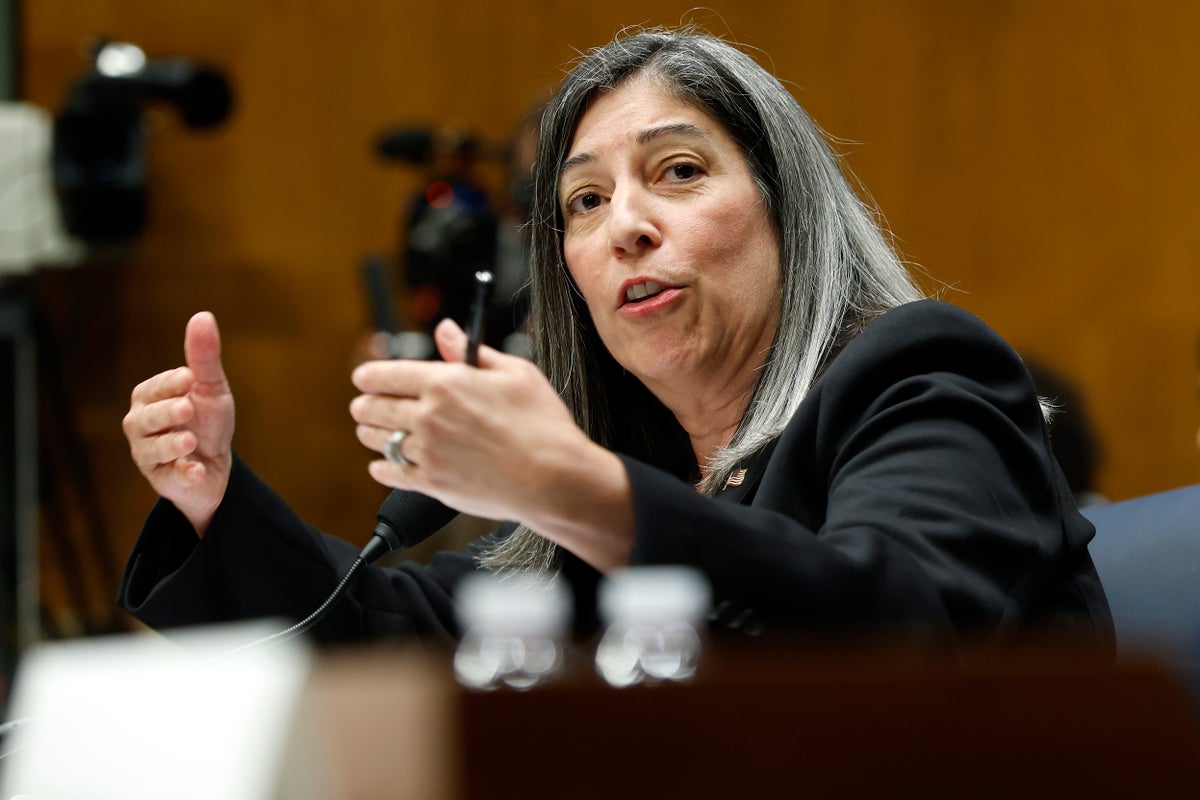
Portrait photo of Alexander Ojanne. | Lara Jäkel/POLITICO
Statistically, those factors are particularly common in migrant communities, primarily for socioeconomic reasons but also for cultural ones, he said.
“These are often large families with many siblings, where the parents frequently can neither read nor write Swedish. As a result, they are hardly able to adequately supervise and support their children,” said Granath. In some “rather patriarchal cultures,” he added, there can also be a view that problems are solved through violence. Sweden’s highly segregated housing patterns have further deepened the problem.
That is where Fryshuset tries to intervene.
“The idea is that children from all over Stockholm come together here and get in touch with other social groups,” said social worker Camila Salazar Atías, who has worked with children from difficult backgrounds for more than 20 years.
More than 90 percent of those who commit offenses were already known to social services beforehand, she said. “We could save many of them if we invested in them early enough.”
In recent years, the children in the program have been younger. “They are systematically and viciously exploited by the gangs,” said Salazar Atías. “Many come to us and say: I never chose this. I was dragged into it, and now I don’t know how to get back out.”
A central part of Fryshuset’s work is its school. In addition to regular subjects, students must choose an elective course called “Passion,” with options ranging from basketball and skateboarding to music and dance. Portraits of former students who went on to become athletes or actors hang on the common room wall.
The goal is straightforward: keep at-risk young people in school and give them a sense of belonging.
“It gives the children a positive context, an identity. If things are chaotic at home and school isn’t going well, they at least have their community there to hold on to,” said Salazar Atías.
Portrait photo of Camila Salazar Atías. | Lara Jäkel/POLITICO
Deputy Mayor Ojanne said institutions like Fryshuset are an essential part of the city’s safety net. Gang violence in Stockholm began largely as a local phenomenon, concentrated in so-called vulnerable areas, he said. But the structure of organized crime has changed.
Gang bosses increasingly operate from abroad, said Ojanne. “From there, they pull the strings and pressure young people in Sweden to commit horrific crimes, which sometimes drag in innocent bystanders as well.”
The continued supply of recruits is linked to Sweden’s widening social divide, he argued. “Since the welfare system was scaled back, things have really taken off — like a snowball that can hardly be stopped. It is getting bigger and bigger and more and more brutal.”
Stockholm has tried to respond by funding prevention programs, support for parents of at-risk children, more social workers, assistance for individuals trying to leave gangs and free after-school care.
But the national government has emphasized enforcement. Gang crime was one of the central issues in the last election, helping Kristersson’s coalition win power. Since then, the government has expanded police powers, tightened migration rules and increased penalties for young adults.
Its proposal to allow prison sentences for 13-year-olds in particularly serious cases was withdrawn last week , apparently because it lacked a majority in parliament. Many experts and politicians, including some from within the government’s own ranks, had warned that the measure could simply push gangs to recruit even younger children — as happened after previous sentencing changes.
Ojanne said the deterrent effect would also be limited. “I don’t think a 13-year-old who is being threatened by a gang would care whether he ends up in jail,” he said. “That is not the right way to stop this.”
Granath, the criminologist, agreed that the focus should be on the adults behind the violence. “It is much more important to bring the masterminds behind the crimes to justice,” he said.
There has been some progress. Expanded police powers and improved investigative methods have helped authorities prevent or solve more shootings and remove illegal weapons from the streets, said Granath.
Ojanne said Stockholm has significantly fewer open drug markets now. Some gang leaders abroad have also been caught, including, most recently, a high-ranking member of the notorious Foxtrot gang in Tunisia.
But tougher law enforcement alone will not keep young people out of gangs over the long term, said Salazar Atías. Recidivism rates remain extremely high after prison or juvenile detention.
Fryshuset tries to fill that gap by helping young people find work, so that debts do not push them back toward gangs, and by pairing them with mentors who have left criminal networks themselves.
“They are credible ambassadors because they were once in the exact same situation themselves,” said Salazar Atías. “The dropouts only say three sentences, and the mentors immediately know what they are going through right now.”
What helps most, she said, is giving them a path away from crime. Passed last year, Sweden’s new Social Services Act has created better conditions for organizations like Fryshuset. But the government could do more on prevention, including scrutinizing the role of social media in gang recruitment, she added.
At Fryshuset, construction of a new building is set to begin later this year.
“The need is so great that we have outgrown our premises,” said Salazar Atías.
Lara Jäkel is a journalist covering foreign policy with WELT.
The Axel Springer Global Reporters Network harnesses the resources of the company’s newsrooms to publish ambitious scoops, investigations, interviews, opinion pieces and analysis. It allows journalists — including those from POLITICO, Business Insider, WELT, BILD, Onet and Fakt — to collaborate on major stories for an international audience of hundreds of millions across platforms: online, print, TV and audio.
Are prevention programmes more effective than tough sentencing in fighting gangs?
Comments
No comments yet















Comments
No comments yet — be the first to weigh in 👇
No comments yet. Be the first!