Micron signs deals locking in high RAM prices for the next five years
Micron has signed manufacturing agreements with 16 clients that are expected to keep RAM prices elevated for at least five more years. CEO Sanjay Mehrotra stated in a Q3 earnings call that even as supply is expected to improve gradually in 2028, there is no clear point when memory supply will catch up with demand. This comes as Micron, Samsung and SK Hynix face a lawsuit alleging they colluded to restrict supply and inflate prices amid the AI-driven memory demand surge.
Full text
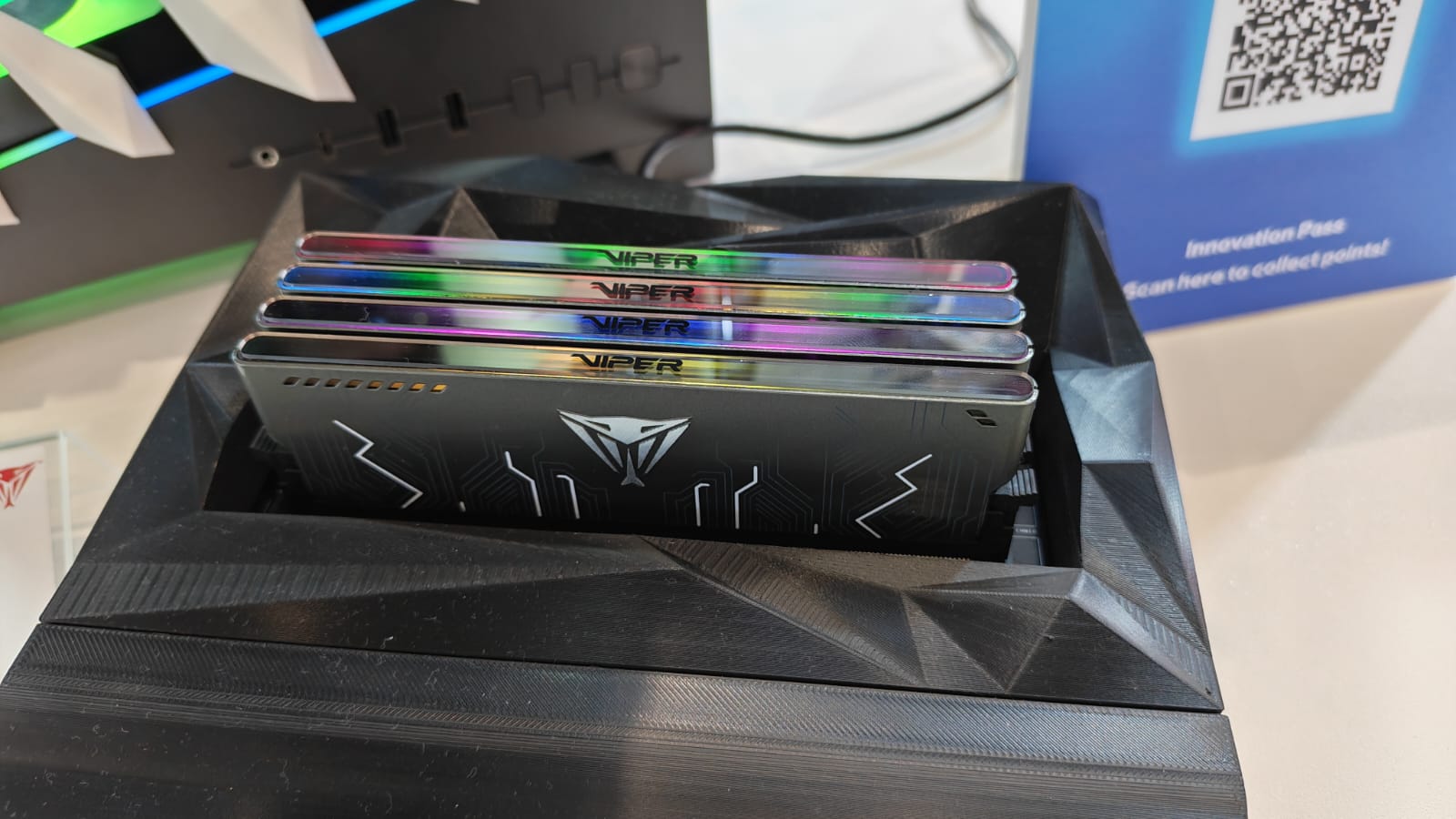
It's been reported this week that the world's three biggest RAM manufacturers, Micron, Samsung, and SK Hynix, are all being sued for purported price fixing. The lawsuit claims that the trio has been lessening supply in order to profit collectively from the current AI-induced memory pricing nightmare (y'know, RAMageddon). What's flown under the radar, however, is that the best RAM for gaming could already be doomed to stay price-hiked for another five years thanks to a new business model from Micron.
In a Q3 earnings call , Micron's CEO, chairman, and president, Sanjay Mehrotra, detailed how the company was going to proceed in the current climate. "Even as we expect industry supply to improve gradually in 2028, we currently do not have line of sight as to when memory supply will be able to catch up with increasing demand," he explained.
(Image credit: Future / Duncan Robertson) Then he revealed that Micron has signed "strategic customer agreements" with its partnered RAM suppliers, ensuring a price bracketing system that will span the next five years.
"Micron has been a pioneer in our industry in creating a new class of strategic customer agreements, or SCAs, with very robust terms. We are pleased to announce that we have completed 16 SCAs with customers across the data center, consumer and auto market segments. These SCAs accelerate the transformation of our business model, enhance partnership in technology and innovation, and provide customers with contracted supply assurance."
An SCA will mean that businesses that utilize Micron's manufactured RAM (any consumer brand that sells RAM under its own name, but uses Micron's wafers) will need to pay pre-determined fixed prices based on current market trends, or established price bands based on Q2 prices from this year (ie, when RAM has been at record-breaking highs).
(Image credit: Future / Duncan Robertson) I suspect these agreements have been made out of fear from Micron's "customers" that RAM could continue to climb, as the latest research points to prices rising another 40-50% in Q3 2026. If that continues to be the case, agreements that lock in a fixed pricing bracket could be alluring for brands in the memory space, but guarantee prices remain high on consumer fronts.
"For our SCAs with price bands, the floor price enables a very robust gross margin for Micron, well above our peak quarterly margins in any past cycle," said the CEO.
Micron exited the consumer space in February by shuttering the Crucial brand and has since announced record-breaking profits from AI data fab manufacturing contracts. These are the main cause of the RAM shortages we've seen in 2026, but construction partnerships were only slated to last until ~2028, when we all expected prices to potentially level out a bit. With Micron's new SCAs, we could be looking at locked prices until 2030.
"Fourteen of the 16 SCAs that we have signed have a cumulative revenue at minimum price per our contracts of approximately $100 billion over the remaining agreement term," Sanjay announced. "They also strengthen our long-term financial performance, margins and free cash flow expectations, with higher visibility and improved stability in our business performance.
(Image credit: Future / Duncan Robertson) "Under the SCAs we have signed so far, we project to receive cash deposits and related financial commitments of $22 billion. This further demonstrates customer commitment to this new business model."
It's unclear how, if at all, the class action lawsuits against the big three RAM suppliers will impact these agreements, since they seem almost like a paper trail that points to an attempt to keep prices high instead of waiting to see how the market could level out.
More specifically, the new lawsuit being filed in California claims that the big three have illegally coordinated a restricted supply of DDR3 and DDR4 RAM in order to ensure profit from record-high DDR5 prices ( Garciaguirre et al v. Samsung Electronics Co., Ltd. et al )
(Image credit: Future / Duncan Robertson) Back in 2005, during a separate price-fixing lawsuit, the three companies were found guilty, with Samsung and SK Hynix both pleading guilty and paying fines as a result. Meanwhile, the story goes that Micron avoided fines by providing information to prosecutors. The modern-day lawsuit is the third major memory price-fixing scandal in 30 years, as it happened again in the 2010s.
It's unclear whether or not Samsung and SK Hynix have also begun to spin up SCAs with their customers, but we know from Micron's earnings call that its agreeing partners span from automotive to consumer, to data fabs, and the SCAs run through 2030. Micron suspects that when completed, approximately half or more of its overall revenue will be under SCAs from all areas of the market.
For more on computing markets, check out the best gaming PC , the best CPU for gaming , and the best graphics card .
Should RAM manufacturers face antitrust regulation for inflating prices?
Comments
No comments yet



















Comments
No comments yet — be the first to weigh in 👇
No comments yet. Be the first!