Designer creates Mars-flavored coffee using NASA climate data
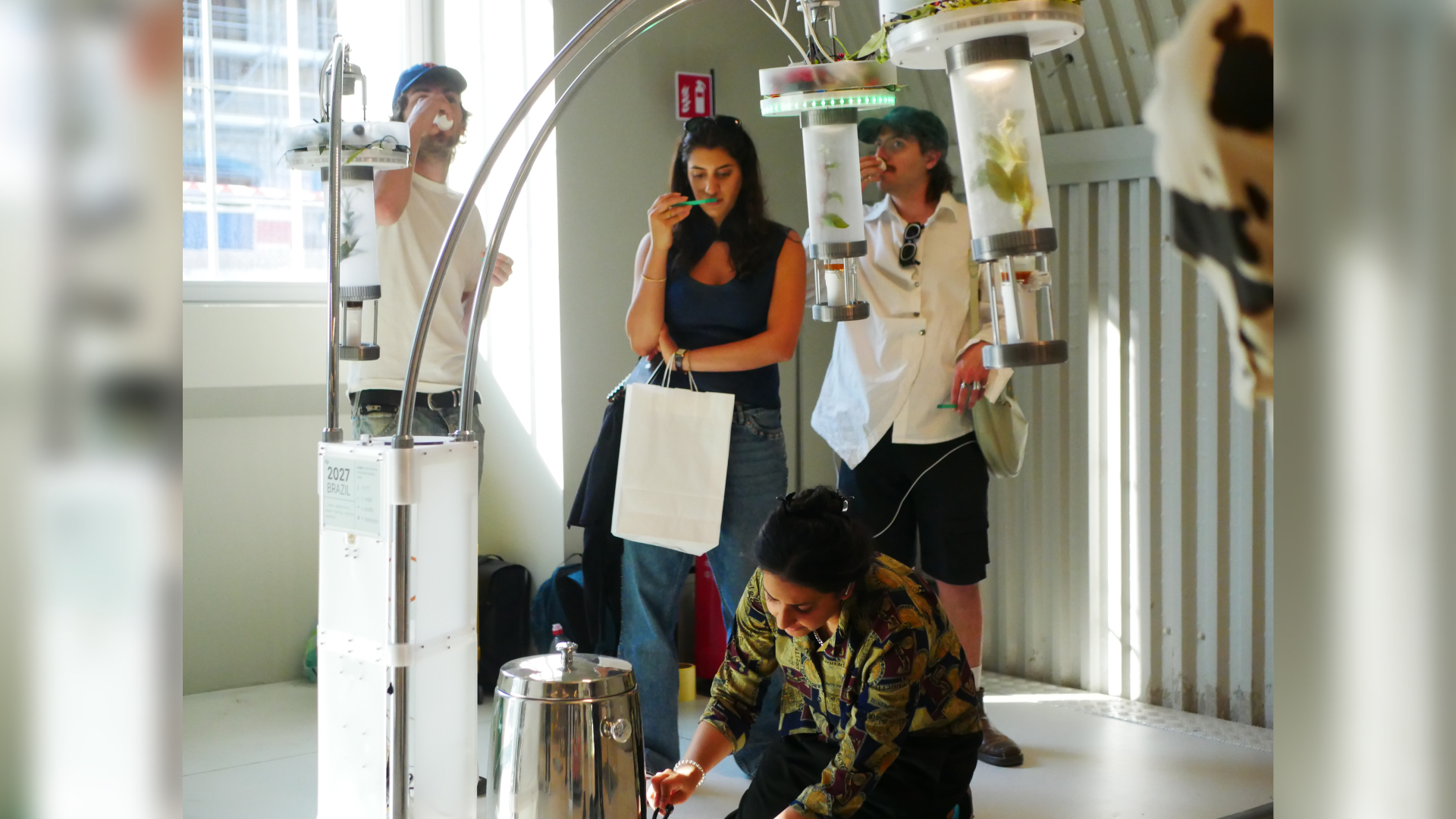
Industrial designer Sarah Ali created Brew_Lab, a futuristic vending machine concept that brews coffee representing three different points in the future, based on climate projections from NASA and the UK's Royal Botanic Society. The centrepiece is Mars 2126, an edible scent added to regular coffee to simulate the flavour of beans grown on Mars a century from now. Ali, 35, developed the project as her MA dissertation at Central Saint Martins, University of the Arts London, exploring how climate change could alter coffee's availability and taste.
A designer working with NASA and agricultural experts has created a coffee that tastes like it was grown on MarsMA student Sarah Ali created the coffee as part of her 'Brew_Lab' projectThe project reflects on how climate change might affect the availability and composition of coffeeA designer working with experts at NASA and the UK’s Royal Botanical Society has produced a coffee that tastes like it was grown on Mars a hundred years from now. The red planet-flavored Mars 2126 coffee — an ‘edible scent’ added to a regular cup of joe — is a product of Brew_Lab, a project by industrial designer Sarah Ali. The project is centered around a futuristic vending machine that brews coffee from three different dates in the future, based on climate projections.Ali, 35, produced Brew_Lab to conclude her MA in Material Futures at Central Saint Martins, University of the Arts London, and exhibited the project at Milan Design Week in April 2026, as well as CSM's degree show which runs until June 21.“This is very much a climate futures project” said Ali to TechRadar, “and the way I got to Mars was through the fact that if we keep on doing what we do now, our future in 100 years time might be that Earth won’t be able to facilitate all the things we need it to.”“It’s a little bit speculative,” she continued, “but what I found really cool was that people at NASA were already testing what food and drink would be like on Mars. There’s a lot of investment in that space.” The Arabica successors(Image credit: Sarah Ali)As well as providing passers-by the chance to try a cup of Martian mud from 2126, the project also includes an edible scent designed to predict the taste of coffee grown in Sierra Leone in 2080. This uses the revived stenophylla species of coffee bean, which is more resilient to climate change than the industry-leading arabica bean.The third and final flavor, Brazil 2027, is used to emphasize the frailty of the Arabica bean, with crop yields expected to fall by as much as 80% by 2050 (via University of Florida).To design the scent profiles of each coffee, Ali used machine learning models fed by data from NASA’s Dr. Gioia Massa, and Kew Gardens’ Dr. Aaron Davis, a world- leading coffee expert.A post shared by Scentible (@scentible.co)A photo posted by on “Dr. Davis has studied 127 different coffee species, of which only 7 to 12 are likely to survive into our future” adds Ali. Brew_Lab uses rare, hardy racemosa beans for its Martian brew, and Ali explained that NASA’s research on agriculture allowed her to factor in the effect of gravity on our perception of taste on the final product.“I thought of Mars because it’s a very extreme scenario”, Ali said, “and the extreme scenarios allow us to really understand what’s happening. How do we think about things differently, to avoid that future or prepare for it.”Still, it might take a few years yet for the best coffee makers to add a ‘Martian’ setting.
Karolina Małysz, daughter of ski jumping legend Adam Małysz, married Kamil Czyż in a Catholic church. The couple had originally planned an ecumenical ceremony but ultimately chose a Catholic wedding instead. Karolina spoke about the reasons behind the change after the ceremony.
Polish President Karol Nawrocki played football as a defender earlier in his life. He represented Gedania and Polonia Gdańsk, and until 2016 was captain of EX Siedlce in the A-class league. He has described sport as a school of character for him.
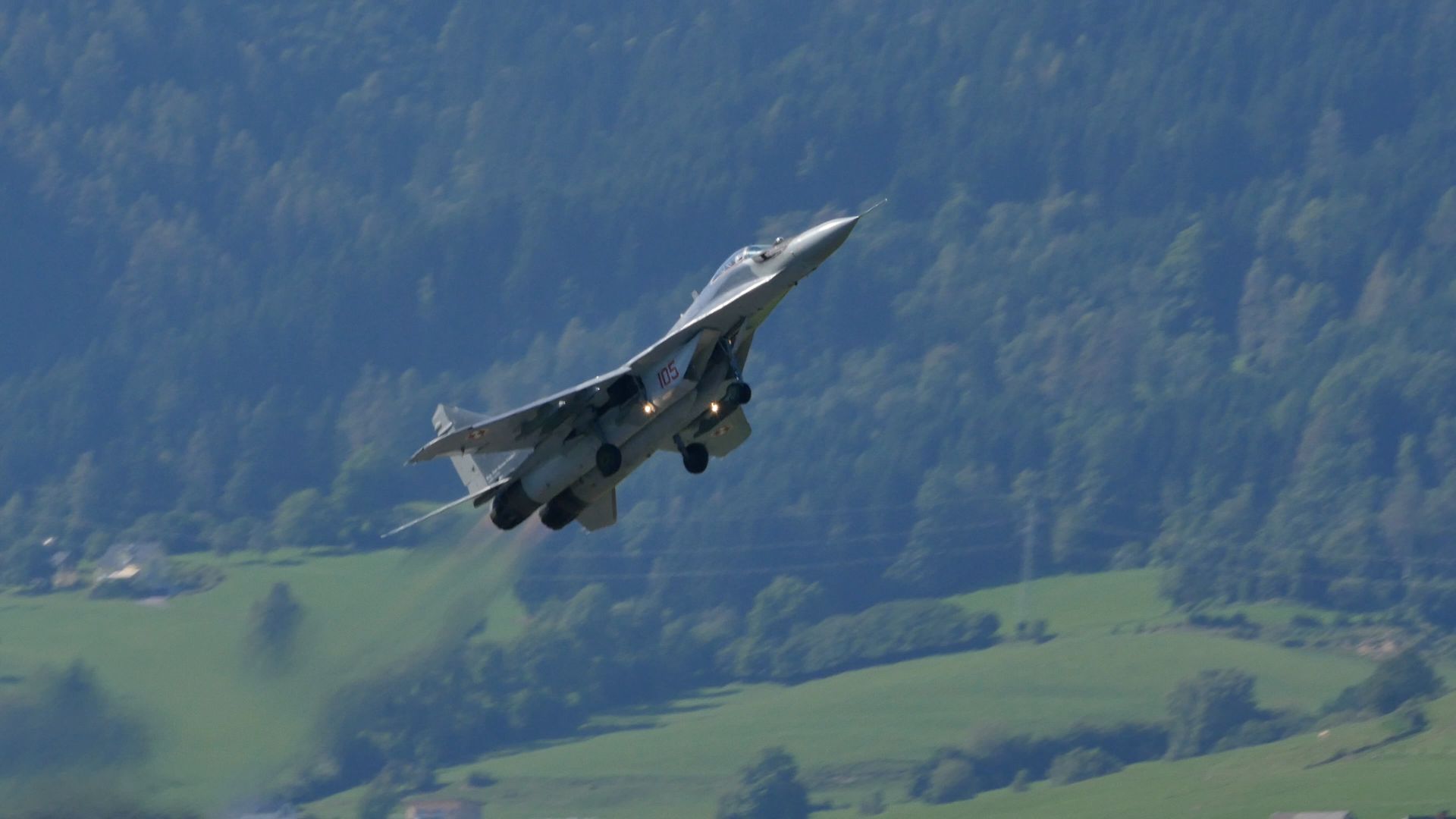
A Ukrainian MiG-29 fighter jet crashed during a combat mission in the Poltava region. The pilot survived and was taken to a medical facility. A special military commission has been set up to investigate the cause of the crash.
Chronic obstructive pulmonary disease (COPD) is the third leading cause of death in Poland, according to medical experts. The disease is frequently diagnosed late and inadequately treated. Specialists are calling for greater public awareness and improved access to diagnostics.
European Central Bank Executive Board member Isabel Schnabel warned that inflation pressures in the eurozone could turn out stronger than expected. Although the US-Iran peace deal reopens the Strait of Hormuz and eases some commodity risks, Schnabel stressed that the balance of inflation risks remains tilted to the upside.
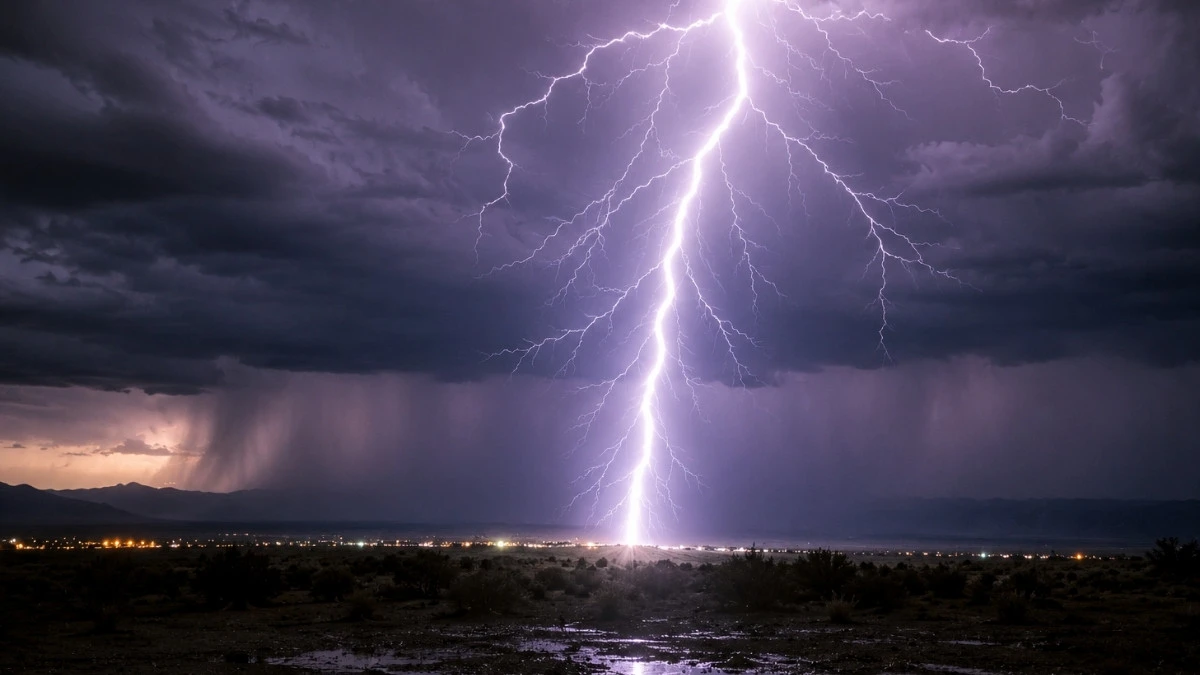
Scientists have found that lightning bolts can act like natural particle accelerators, generating gamma-ray bursts directed toward Earth. The phenomenon, known as terrestrial gamma-ray flashes (TGFs), is produced by intense electrical discharges during thunderstorms. The discovery provides new insight into the physics of atmospheric electrical processes.
Netflix is rolling out new measures to make it harder for users to share accounts with people outside their household. The changes are designed to push users into purchasing their own subscriptions. The article does not specify the technical details of the new restrictions being introduced.
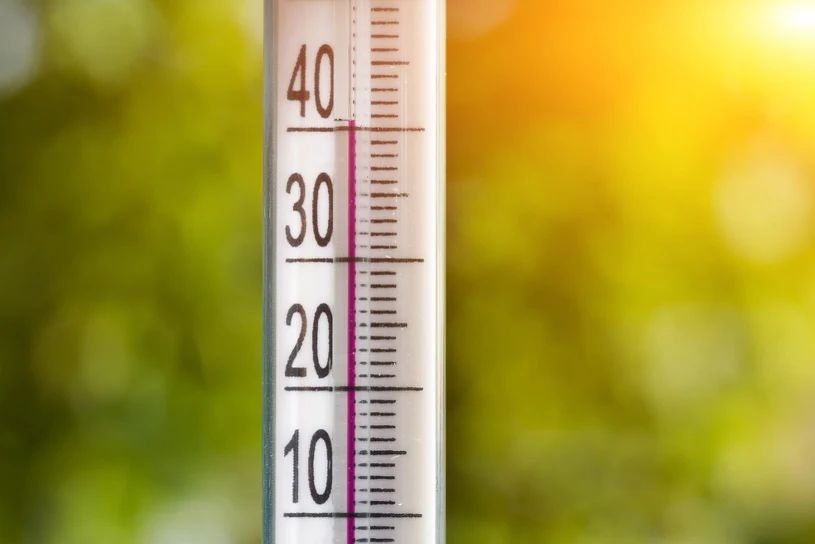
The "coolcation" trend sees growing numbers of holidaymakers deliberately choosing cooler destinations over traditionally hot beach resorts. As summer temperatures regularly hit 30–35°C or higher, many travellers now seek relief in northern or mountainous regions rather than Mediterranean or tropical hotspots. The shift is driven by climate change making extreme heat increasingly uncomfortable during the holiday season.
A new episode of the "Almost History" podcast from All About History explores the alternate-history question of what would have happened if Carthage had defeated Rome in the Punic Wars. Historian and archaeologist Eve MacDonald of Cardiff University notes that Carthage had enormous resources and came remarkably close to changing the course of history. The episode is hosted by All About History staff writer Emily Staniforth, and draws on MacDonald's forthcoming book "Carthage: A New History of an Ancient Empire."
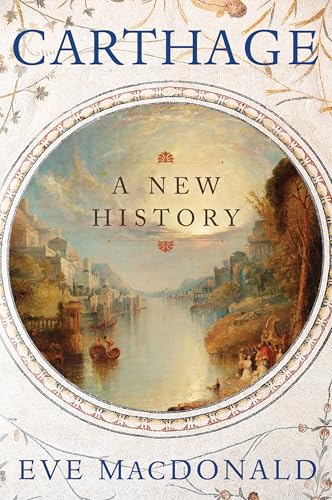
A new episode of "Almost History," the alternate-history podcast from All About History, explores one of the biggest "what-ifs" of the ancient world: What if Carthage had defeated Rome during the Punic Wars?The episode is hosted by Emily Staniforth, a staff writer at All About History, a sister publication of Live Science. It features historian and archaeologist Eve MacDonald, a senior lecturer in ancient history at Cardiff University in the U.K. and author of "Carthage: A New History of an Ancient Empire" (W. W. Norton & Co., 2026). Together, they examine how close Carthage came to changing the course of history and what the modern world might look like if one of Rome's greatest rivals had emerged victorious."Carthage ha[d] enormous resources, because to even be in the fight for as long as they were is extraordinary," MacDonald said in an interview. However, despite Carthage's capabilities, they were always fighting an uphill battle, she noted."I always think the Romans were probably never going to go away," MacDonald said.Tactics and turning pointsThe Punic Wars, fought between the Roman Republic and Carthage from 264 to 146 B.C., transformed the ancient Mediterranean. Although Rome ultimately prevailed and went on to build one of history's largest empires, victory was far from guaranteed. During the Second Punic War, the Carthaginian general Hannibal famously marched elephants across the Alps and inflicted devastating defeats on Roman armies, bringing the republic to the brink of collapse before Rome eventually recovered.Related stories'Landmark' elephant bone finding in Spain may be from time of Hannibal's war against Rome2,200-year-old battering ram from epic battle between Rome and Carthage found in Mediterranean'Extraordinary' Roman helmet from war-ending battle found in the sea off SicilyIn the podcast, MacDonald discusses the political and military turning points that could have tipped the balance in Carthage's favor. The conversation also explores how a Carthaginian victory might have altered trade, culture and the distribution of power across Europe and the Mediterranean, offering listeners a glimpse of an alternate version of world history."I think that's one of the things that we would appreciate more now: As much as the Greco-Roman history of the Mediterranean is part of the Western world, so too is all of Carthage, Phoenicia and Numidia" in northern Africa, MacDonald said. "But we haven't got those tales anymore for us to understand."The episode is part of "Almost History," a series inspired by All About History magazine's long-running "What If" feature. Each installment invites historians to examine pivotal moments from the past and consider how different outcomes might have reshaped history. Recent episodes have tackled questions such as What if D-Day had failed? and What if the Bolshevik Revolution had never succeeded?You can listen to "What If Carthage Won the Punic Wars?" on Acast and other major podcast platforms. W. W. Norton & Company Carthage: a New History A landmark new history of ancient Rome’s most famous rival―home of Hannibal, jewel of North Africa, and foundational power of the western Mediterranean. Can you match these historical maps to the empires that ruled them? Test your geography skills with our ancient empires quiz!
On Sunday at 17:30, Moonfin Magnus Ostrów Wielkopolski will face Polonia Piła in the Metalkas 2nd Speedway Extraleague. Riders will face an additional challenge in the form of exceptionally high temperatures currently gripping Poland.
Director Luca Guadagnino commented on Amazon MGM's decision to drop his Sam Altman biopic, titled "Artificial," saying he was unsurprised. The studio pulled the project months after Amazon signed a $50 billion investment deal with OpenAI. Guadagnino described it as typical "industrial policy" and said such moves are nothing new in the film industry.
A European heatwave is forcing some power plants to reduce electricity production. Polish Energy Minister Miłosz Motyka acknowledged that "extreme heat is always a challenge for the system." Robert Jeszke of the Institute of Environmental Protection warned that a prolonged heatwave combined with drought and low output from other sources could strain the energy balance and push up electricity prices in Poland.
A record-breaking heatwave in France has killed a fourth child, with the overall death toll continuing to climb. In Paris, an adult man was found unresponsive in the Canal Saint-Martin after swimming outside a designated area. Hospitals are under intense pressure as admissions surge. Climatologist Jean-Pascal van Ypersele, former IPCC vice-chair, warns that future heatwaves will grow even more extreme unless global CO₂ emissions are significantly cut.
A reviewer describes how the Specialized Turbo Vado SL e-bike has replaced their car for everyday commuting. The model's equipment is praised as genuinely "Pro" level. The article focuses on the practical benefits of the bike as a car alternative for urban travel.
Connor Christou, a startup founder known for his fitness regimen, was diagnosed with cancer and turned to Anthropic's Claude AI model to help him process and analyse his health data. He fed the AI his blood results, scan data, wearable device output, and personal journal entries to guide his response to the illness. The article explores how AI tools are being used by patients to navigate complex medical information, though treatment outcomes are not specified.
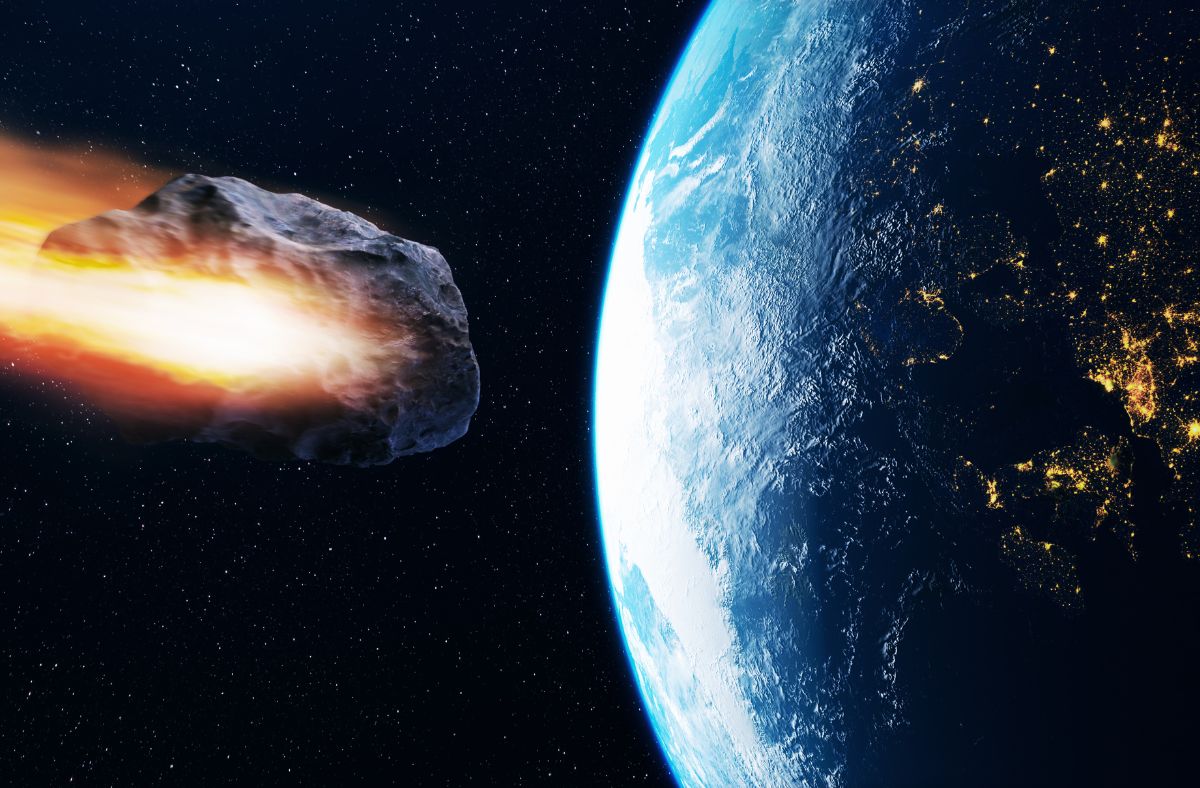
Scientists have confirmed that the North Pole Dome structure in the remote Pilbara region of Western Australia is approximately 3.02 billion years old, making it the oldest known asteroid impact crater on Earth. The finding was reported by ScienceAlert. The age surpasses that of all previously identified impact craters on the planet.
A growing number of adults are ordering from children's menus in restaurants, sometimes leading to disputes with staff. While no law explicitly bars adults from ordering kids' meals, restaurants as private businesses have some freedom to set their own sales rules. Whether a waiter can legally refuse such an order depends on the individual establishment's policy.
Raphinha has long been linked with a move to Saudi Arabia, and the Brazilian himself has admitted the financial offers are hard to turn down. According to ESPN, he is on Al-Hilal's transfer wish list, but not at the top of it. Mohamed Salah's name appears in connection with the deal, though the source does not specify his role.
Starting next month, California will require all food items sold in the state to carry only approved date labels. Products already on shelves with different labelling may remain during a transition period. The move aims to standardise food dating and reduce waste caused by confusing or inconsistent labels.
American farmers are increasingly reliant on Canadian and Mexican export markets, with trade growing roughly 600% since NAFTA's creation, according to CoBank CEO Tom Halverson. Iowa farmer Stu Swanson says many producers are operating on "dwindling hope" amid weak commodity prices and rising costs. As USMCA negotiations begin, farmers prioritise preserving the deal's stability over expanding it, fearing new disruptions to an already fragile farm economy.
What's wrong?
Comments
Loading…
Swipe up
⚡
You're all caught up
You've seen all the latest stories. Check back later for more.














Comments
No comments yet — be the first to weigh in 👇
No comments yet. Be the first!