Polish Investor Sentiment: 44% Bullish, 30% Bearish on WSE
According to the weekly Investor Sentiment Index poll, 44% of Polish investors expect the Warsaw Stock Exchange to rise over the next six months, up 0.4 percentage points. The share of those expecting a downward trend grew by 2.7 percentage points to 30%. The data signals a slight shift toward bearish sentiment.
Iranian Oscar nominee Jafar Panahi, who produced and edited Nader Saeivar's competition film "Hijamat," was invited to the Karlovy Vary Film Festival but was prevented from attending by an Iranian travel ban. Artistic director Karel Och confirmed the festival had wanted Panahi to come given his crucial involvement in the film.
Louis Vuitton's menswear show in Paris featured an eight-metre wave, sand underfoot and the sound of crashing surf, transforming the runway into a beach scene. Creative director Pharrell Williams designed the spectacle as part of a growing trend of fashion shows doubling as large-scale entertainment events.
Bosch eBike Systems has unveiled a new generation of urban e-bike drive units designed so that the resulting bicycle looks indistinguishable from a conventional bike. Company head Claus Fleischer said the central challenge was hiding the technology entirely from view.
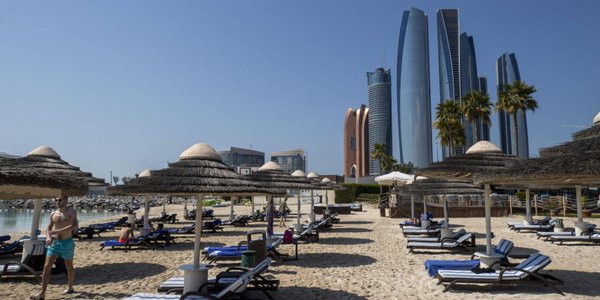
Passengers flying to Abu Dhabi with Etihad Airways will receive complimentary medical insurance bundled with their ticket. The emirate is introducing the offer to help rebuild tourism, which has been hurt by the regional armed conflict.
The transfer of junior speedway rider Krzysztof Lewandowski to H. Skrzydlewska Orzeł Łódź has failed to deliver the expected results. The club's coach has made remarks suggesting Lewandowski's time at the team may be coming to an end.
Polish companies Unimot and PZL Defence have signed a memorandum of cooperation with Ukraine's JSC Ivchenko-Progress. The agreement covers the development, production and commercialisation of small-scale turbojet engines for drones and missiles, as well as other aviation and defence technologies. The deal strengthens growing Polish-Ukrainian defence industry ties.
Brazilian scientists have identified 45 new toxins produced by Salmonella bacteria, some of which are responsible for food-borne infections. The discovery could lead to the development of new antibiotics and has potential applications in biotechnology.
A British doctor recommends placing two small ice packs wrapped in thin fabric on the wrists or ankles to cool down during hot nights. These spots contain major blood vessels, so cooling them quickly lowers body temperature overall. The method is cheap and requires no air conditioning.
Mark Tame, born in Wivenhoe, Essex, dedicated his career to mental health advocacy, working for charities including Mind in Bristol and London. He spent his final five years as a care coordinator at Homerton Healthcare NHS Foundation Trust in London. He died of lung cancer at the age of 61. Tame studied social politics at the University of Bristol.
My friend Mark Tame, who has died of lung cancer aged 61, spent his life caring for others. He worked for various charities (including Mind) in Bristol and London that advocated for mental health patients, and spent the past five years at Homerton healthcare NHS foundation trust in London as a care coordinator after the Covid-19 pandemic.Mark was born in Wivenhoe, Essex, the son of Anne Tame, a telephonist, and John Matthews, a telephone engineer, who met in the postwar period at Bletchley Park, the codebreaking centre in Buckinghamshire. He went to several different schools, then Bristol University, where he studied social politics, which became an anchor of not only his career, but of his personal ethics. Continue reading...
Krono-Plast Włókniarz Częstochowa, facing potential relegation from the PGE Ekstraliga, is trying to build a squad capable of a swift return to the top flight. However, the club lost out on a key rider in the final stage of transfer negotiations, without naming the player. The setback may hamper their rebuilding plans.
Powder pink in a satin finish is replacing white as the go-to summer colour for 2026. Reserved's blush slip skirt fits the lingerie-inspired trend seen on Victoria Beckham's runway. The shade looks soft and luxurious without being overly sweet or infantile. Stylists recommend pairing it with bolder pieces like a leather jacket or burgundy accessories.
Garou, the singer beloved in Poland around the turn of the millennium, turned 54 on June 26, 2026. He now lives mostly in Canada, spending much of his time working with wood. He has not completely abandoned performing, but stays well away from the showbusiness spotlight.
Telecom networks are at a crossroads where AI can both optimise infrastructure toward Net Zero targets and simultaneously drive up energy consumption. The industry is heading into the 6G era with surging data demand. Companies must adopt a dual approach to AI — treating it as both an efficiency enabler and an environmental responsibility.
“With great power comes great responsibility.”It may be a line borrowed from Spider-Man, but it captures the inflection point facing the telecoms industry today.Telecom networks are the invisible infrastructure of modern life. Every message sent, video streamed and connected device depends on the vast digital highways that telecom operators build and maintain.But the industry is now at a crossroads. As UK telecoms intensify their journey toward Net Zero and with 6G on the horizon, AI is emerging as both a transformative enabler and a sustainability challenge.A dual approach to AITelecoms has entered a new phase of AI-fueled growth. Data demand is surging, networks are becoming denser, and the next wave of innovation is pushing digital infrastructure to new limits. With this growth comes a clear opportunity to lead on sustainability – but to seize it, the industry must unlock AI’s full potential responsibly. On one hand, AI enables smarter operations across the telecoms system, from network traffic optimization to supply chain analytics and carbon reporting. On the other, it brings rising energy and water demands driven by compute-intensive workloads.A dual approach is therefore central to ensuring technological innovation supports the climate agenda. That means advancing both AI for sustainability – using AI to reduce emissions, optimize resources and accelerate progress towards Net Zero – and sustainable AI, ensuring that AI itself is designed, deployed and governed in a way that minimizes its environmental impact.This is the defining tension of the next decade: scaling intelligence without scaling impact.Pinpointing high-impact AI use casesAI is already creating new possibilities for progress, but real value lies in prioritizing use cases that drive both business value and environmental benefit. Not every use case delivers equal value—and in a resource-constrained world, prioritization is critical.First and foremost, energy optimization is an area of significant opportunity. Energy consumption accounts for up to 40% of telecoms’ network OPEX, and GSMA Intelligence indicates that operators could reduce OPEX by 4% for a 20% reduction in energy costs through power efficiencies.Here, AI can assist with network load balancing to help distribute traffic evenly and reduce unnecessary energy consumption. Meanwhile, energy use in data centers can be reduced through intelligent workload distribution, predictive cooling and server optimization, all of which lower overall demand. In effect, AI enables networks to think more intelligently about how and when energy is used.On the reporting side, AI is also playing an increasingly important role. It’s being used to support customer carbon reporting, particularly in analysing large datasets from multiple sources – estimating notoriously obscure Scope 3 emissions and helping customers better understand their impact. For example, a network operator seeking to assess B2B customer emissions can integrate data from traffic records and device energy use, linking it with customer profiles to generate more accurate insights. What was once opaque is becoming measurable, and therefore manageable.Establishing the foundations for sustainable AI Without the right foundations, scaling AI risks putting the cart before the horse. Organizations must establish strong governance to ensure AI is used ethically and sustainably – and that requires close collaboration across sustainability, technology and operational teams.A centralized governance body can accelerate decision-making, enforce accountability, and ensure AI initiatives are aligned with wider sustainability goals. It also provides the guardrails needed to scale AI with confidence.This oversight should extend across the full AI lifecycle — from design and development to training and deployment — embedding environmental, social and ethical considerations from the outset, rather than treating them as an afterthought. For instance, organizations can adopt a “decision tree” approach to evaluate whether AI is needed at all, and if so, what type is most appropriate, considering alternatives that may deliver similar outcomes with a lower environmental footprint.Assessing and mitigating environmental impactUnderstanding AI’s environmental footprint must be the starting point for responsible adoption. After all, you can’t manage what you can’t measure. In truth, only a minority of companies are actively monitoring and disclosing the environmental footprint of their AI models, and even fewer have set reduction targets. This indicates a broader need for lifecycle assessments and accountability in AI operations.But this is a daunting task on a few levels. Many organizations lack transparency from AI providers regarding energy efficiency and carbon footprints, which is crucial for informed decision-making – and without clear, standardized metrics and greater visibility across the value chain, organizations are left making critical decisions in the dark. Addressing this gap will require closer collaboration across the ecosystem to establish common standards, improve transparency and embed sustainability into AI decision-making. A responsibility that extends beyond telecomsThe impact of telecoms sustainability decisions goes far beyond the industry. Telecoms already account for at least 1.6% of global carbon emissions. Decisions made here influence energy demand, emissions reduction and resource efficiency across national economies. By acting decisively, telecoms can set a standard for other sectors, demonstrating that AI-powered growth and sustainability are not mutually exclusive.But there is work to be done. As AI adoption accelerates across networks, customer operations and enterprise services, understanding and managing its energy impact will become increasingly important. Ultimately, the challenge facing telecoms is not simply to connect the world, but to do so responsibly.We feature the best business phone systems.This article was produced as part of TechRadar Pro Perspectives, our channel to feature the best and brightest minds in the technology industry today.The views expressed here are those of the author and are not necessarily those of TechRadarPro or Future plc. If you are interested in contributing find out more here: https://www.techradar.com/pro/perspectives-how-to-submit
Doctors warn that during heatwaves some drinks worsen dehydration despite offering a momentary sensation of refreshment. Alcohol and coffee are among the worst choices as they have a diuretic effect and put extra strain on the body. Water — ideally with electrolytes — is recommended, while sugary fizzy drinks should also be avoided.
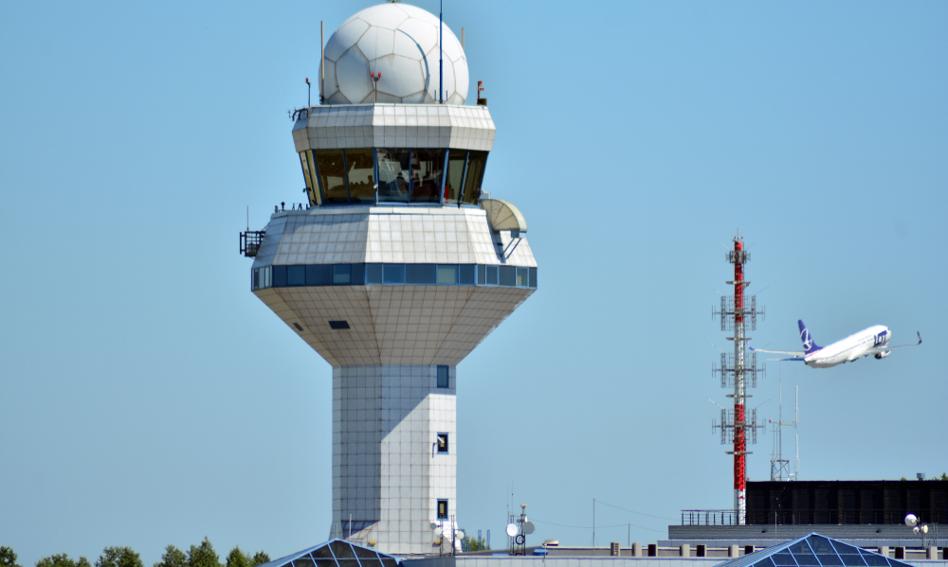
Polish Airports Authority (PPL) has been added to the government's list of companies of key importance to the national economy. The change stems from an amended regulation issued by the Prime Minister's Office. The strategic status means increased state oversight and protection for the company managing Poland's airports.
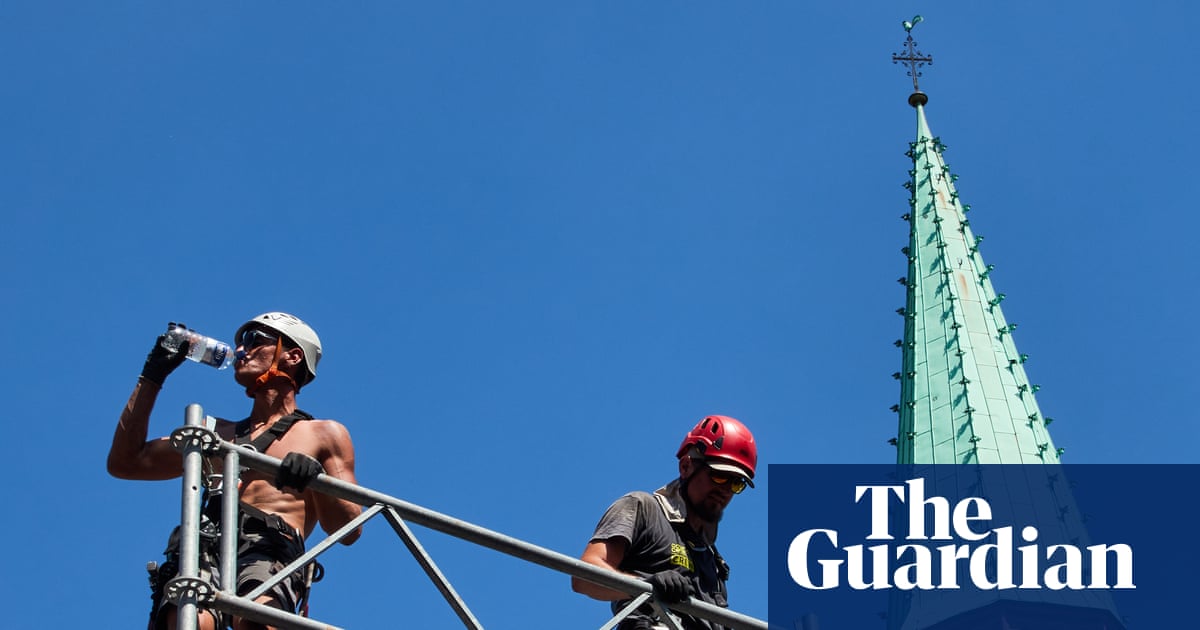
An intense heatwave is sweeping central and northern Europe, with temperatures forecast to exceed 40°C in Germany and Poland on Saturday and Sunday. The Austrian Grand Prix in Spielberg declared a heat hazard — the first race of the season to do so — with temperatures expected to be around 10°C above normal. A tornado rated 3 on the Fujita scale was also reported in Russia's Sverdlovsk region on 22 June.
Extreme heat continues to impact daily life – and sporting events – across Europe. Plus, a tornado in RussiaTemperatures are forecast to rise dramatically in parts of central and northern Europe this weekend as the intense heatwave continues. In Germany and Poland, highs of up to or exceeding 40C (104F) are expected on both Saturday and Sunday, days after swathes of France experienced similar extreme temperatures. The Austrian Grand Prix, taking place this weekend in Spielberg, has declared a heat hazard, the first race to do so this season. Temperatures are expected to rise into the low 30s celsius during the race almost 10C warmer than usual for the venue.Across Europe, the intense heat has led to severe thunderstorms. In the Sverdlovsk region of central Russia, a strong tornado was reported on the evening of 22 June. Rated a 3 out of 5 on the international fujita scale, the twister injured 16 people and destroyed or damaged about 100 homes and businesses in the town of Kushva. Emergency services have been working on restoring power to the town. Tornadoes are not unheard of in Russia but are certainly rare, although forecasters warn that they may become more common in future as the climate breaks down. Storm warnings remain in effect in the southern part of the country on Friday. Continue reading...
21-year-old Kacper Urbański is set to leave Legia Warsaw before pre-season preparations begin. According to Meczyki, he will not be included in the squad for the training camp in Germany, indicating a mutual termination of his contract.
The final days of June are marked by the Knight of Coins, urging reflection on life direction and chosen goals. Each zodiac sign receives a dedicated tarot card and message for the week of June 25 to July 1, 2026. Aries gets the Empress, Taurus the Judgement, and Gemini the Eight of Wands.
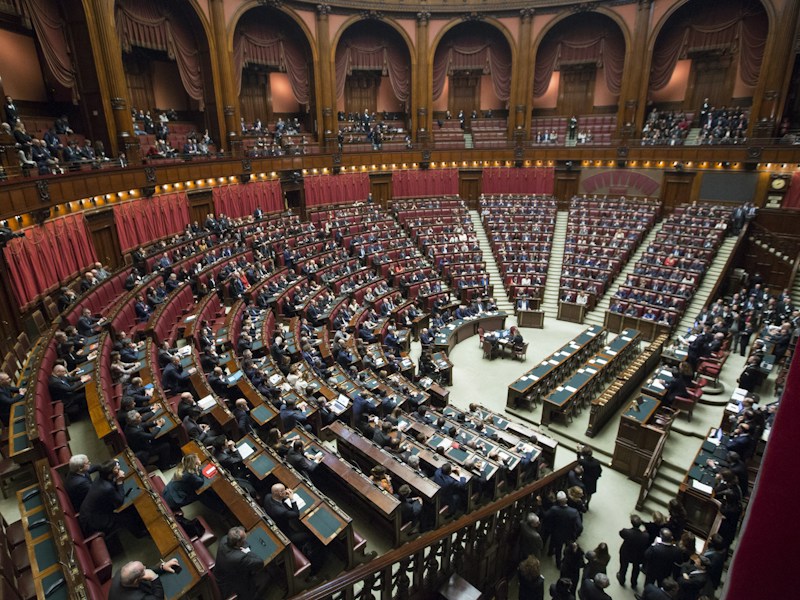
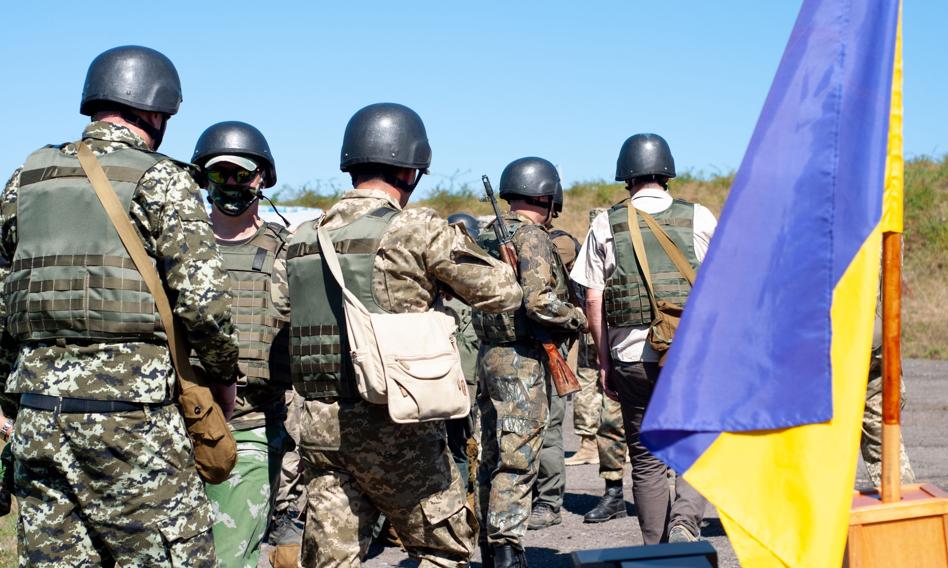
The European Commission proposed on Friday extending the EU's temporary protection mechanism for Ukrainians by one year, to 4 March 2028. At the same time, the Commission wants Ukrainian men of military age arriving in the EU to be excluded from that protection. The proposal marks a significant shift in EU policy towards Ukrainian refugees.
The Warsaw Summer Jazz Days festival will take place from July 2 to 5, 2026, at the Stodoła club in Warsaw. The event is organised and produced by Mariusz Adamiak. It targets dedicated jazz listeners who invest more effort in their musical interests than typical pop concert-goers.
What's wrong?
Comments
Loading…
Swipe up
⚡
You're all caught up
You've seen all the latest stories. Check back later for more.















Comments
No comments yet — be the first to weigh in 👇
No comments yet. Be the first!